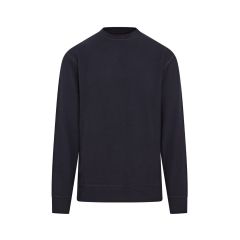
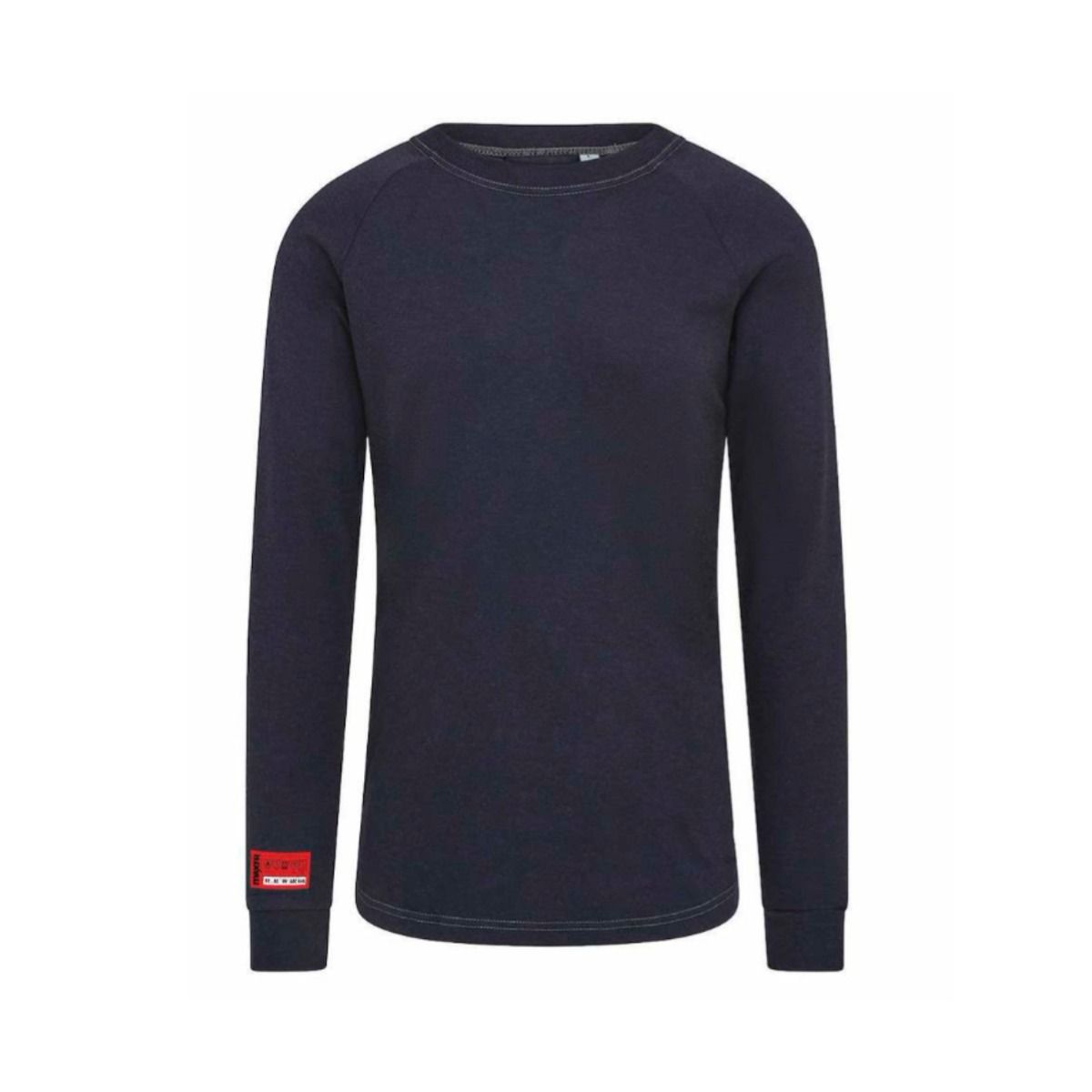
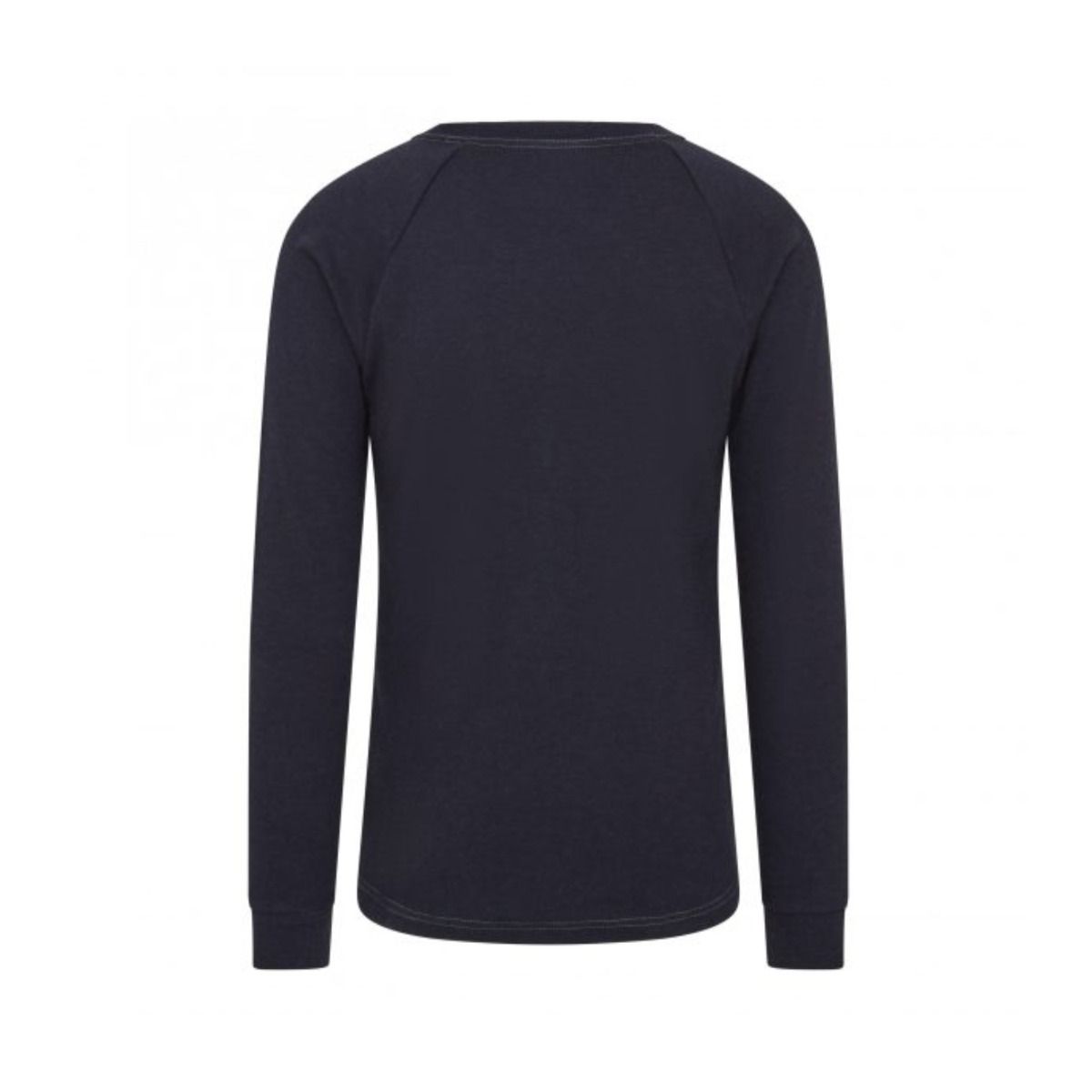
Flame retardant arc flash long sleeve T-shirt in navy, worn as a lightweight base layer by electrical, utility and industrial workers under arc-rated PPE.
- Inherent flame retardant fabric
- Arc rated - ELIM 5 cal/cm2, ATPV 7.1 cal/cm2, APC 1
- Anti-static to EN 1149
- EN ISO 11612 - A1, B1, C1, F1
- Lightweight 175gsm single jersey
- Breathable and moisture managing
- Available in multiple sizes
MAXFR Navy Flame Retardant Arc Flash Long Sleeve T-Shirt - Base Layer

Flame retardant arc flash long sleeve T-shirt in navy, worn as a lightweight base layer by electrical, utility and industrial workers under arc-rated PPE.
- Inherent flame retardant fabric
- Arc rated - ELIM 5 cal/cm2, ATPV 7.1 cal/cm2, APC 1
- Anti-static to EN 1149
- EN ISO 11612 - A1, B1, C1, F1
- Lightweight 175gsm single jersey
- Breathable and moisture managing
- Available in multiple sizes
MAXFR Navy Flame Retardant Arc Flash Long Sleeve T-Shirt
Flame retardant arc flash long sleeve T-shirts are worn next to the skin as the first layer of an arc-rated outfit. This navy base layer is knitted from lightweight 175gsm single jersey in inherent flame retardant fabric, so the protection comes from the fibre rather than a surface finish. It sits under FR shirts, sweatshirts, coveralls and jackets, adding flame, heat, static and arc protection without bulk.
How an Inherent FR Base Layer Protects Under the Outer Layer
Standard base layers and thermals are often polyester or nylon, which can melt and stick to the skin when heat passes through the outer layer. On site, that turns the garment closest to the body into the cause of the worst burns. This T-shirt is inherent flame retardant and arc rated, so the layer against the skin adds protection instead of risk.
Key Features
- Inherent flame retardant fabric: the flame resistance is part of the fibre, not a finish applied to the surface.
- Arc rated with APC 1: ELIM 5 cal/cm2 and ATPV 7.1 cal/cm2 in open arc testing.
- Anti-static to EN 1149: dissipates static charge when the wearer is earthed, reducing the risk of a spark.
- Lightweight 175gsm single jersey: thin enough to wear under other layers all year without bulk.
- Breathable and moisture managing: helps keep skin dry on long shifts and in warm plant rooms.
- Raglan long sleeves with ribbed cuffs: cover the arms to the wrist and allow free movement when reaching.
- Soft-touch fabric: comfortable next to the skin through a full shift.
Who is this for
Trades and roles
- Electricians
- Electrical engineers
- Substation and switching engineers
- Cable jointers
- Overhead line engineers
- Maintenance engineers
- Plant operators
Industries
- Electricity transmission and distribution
- Utilities
- Power generation
- Rail
- Petrochemical and process
- Industrial manufacturing
- Facilities management
Specifications
| Specification | Detail |
|---|---|
| Product name | MAXFR Navy Flame Retardant Arc Flash Long Sleeve T-Shirt - Base Layer |
| Product code | CL010008 |
| Garment type | Long sleeve crew-neck T-shirt, base layer |
| Protection | Flame retardant, anti-static, electric arc |
| Open arc test (EN 61482-1-1) | ELIM 5 cal/cm2, ATPV 7.1 cal/cm2 |
| Box test (EN 61482-1-2) | APC 1 (4 kA) |
| Heat and flame | EN ISO 11612, A1, B1, C1, F1 |
| Electrostatic | EN 1149, anti-static |
| Fabric | Inherent flame retardant single jersey |
| Fabric weight | 175gsm |
| Sleeves | Raglan long sleeves, ribbed cuffs |
| Neck | Ribbed crew neck |
| Brand | MAXFR |
| Colour | Navy |
| Sizes | S to 3XL |
Size Selection
| Product code | Size | Size label | To fit chest |
|---|---|---|---|
| CL010008-S | S | Small | 88 to 94 cm (35 to 37 in) |
| CL010008-M | M | Medium | 94 to 102 cm (37 to 40 in) |
| CL010008-L | L | Large | 102 to 110 cm (40 to 43 in) |
| CL010008-XL | XL | Extra Large | 110 to 115 cm (43 to 45 in) |
| CL010008-2XL | 2XL | 2 Extra Large | 115 to 124 cm (45 to 49 in) |
| CL010008-3XL | 3XL | 3 Extra Large | 124 to 131 cm (49 to 52 in) |
Other Variations in the Range, Contact to Order
| Size | Size label | To fit chest |
|---|---|---|
| 4XL | 4 Extra Large | 131 to 138 cm (52 to 54 in) |
Compatibility
| Base material, tool or condition | Suitability |
|---|---|
| Worn under FR and arc-rated outer layers | Suitable, as the base layer of a layered arc-rated outfit |
| Assessed arc risk up to 5 cal/cm2 and APC 1 | Suitable as part of a full arc-rated outfit |
| Arc risk above 5 cal/cm2 or requiring APC 2 | Not recommended as the only protection, add outer layers rated for the assessed incident energy |
| Areas where static build-up must be controlled | Suitable when worn with anti-static outer layers and anti-static footwear |
| Year-round wear under other layers | Suitable, the lightweight 175gsm fabric layers without bulk |
| Polyester or nylon layers worn over or under it | Not recommended, they can melt, use FR layers |
| Sites that require hi-vis clothing | Not recommended on its own, navy is not hi-vis, wear an FR hi-vis outer layer |
| Welding and molten metal splash | Not recommended, no EN ISO 11611 rating, use welding-rated clothing |
| Chemical splash | Not recommended, no EN 13034 rating |
| Firefighting | Not recommended, this is industrial heat and flame clothing |
Typical Users and Projects
Electrical, utility and industrial maintenance teams wear this T-shirt as the base layer under their FR and arc-rated outerwear. Its light weight suits warm plant rooms in summer and layering under sweatshirts and jackets in winter. Wearers are usually trained staff working under an arc flash risk assessment and site PPE rules.
Typical applications
- Wearing under an arc-rated coverall during switching and isolation in substations.
- Layering under an FR sweatshirt and jacket for outdoor network maintenance in cold weather.
- Wearing under hi-vis FR outerwear for rail and roadside electrical work.
- Replacing a cotton or synthetic undershirt beneath FR clothing on petrochemical and process sites.
- Wearing as the base layer during electrical maintenance in warm plant rooms and data centres.
How to use
Step 1: Check the full outfit against the incident energy in your arc flash risk assessment.
Step 2: Choose the size by chest measurement using the Size Selection table.
Step 3: Wear the T-shirt next to the skin, with no polyester or nylon layer underneath.
Step 4: Put on the FR and arc-rated outer layers your risk assessment requires.
Step 5: Where static must be controlled, wear anti-static outer layers and anti-static footwear.
Step 6: Check the T-shirt before each shift for holes, damage or contamination.
Common mistakes
- Wearing a polyester or nylon undershirt instead of an FR base layer.
- Wearing a non-FR fleece or jacket over the FR layers.
- Relying on the base layer’s arc rating when the risk assessment calls for a higher one.
- Wearing it as the outer layer on sites that require hi-vis clothing.
- Wearing it when soiled with oil or grease, which can reduce protection.
Safety
Isolation comes first. The Electricity at Work Regulations 1989 only allow live work where it is unreasonable to make equipment dead. The arc ratings shown are for this T-shirt on its own, so check the full outfit against a documented arc flash risk assessment.
Maintenance
Wash and dry following the care label on the garment, separately from ordinary clothing. Store clean and dry. Replace the T-shirt if it has holes, burns or contamination that will not wash out.
Frequently Asked Questions
Q: What arc rating does this base layer have?
A: In open arc testing to EN 61482-1-1 it has an ELIM of 5 cal/cm2 and an ATPV of 7.1 cal/cm2. ELIM is the incident energy at which no second-degree burn is predicted, while ATPV is the point at which there is a 50% chance of one. In the box test to EN 61482-1-2 it reaches APC 1, tested at 4 kA. These ratings are for the T-shirt on its own.
Q: What does 2XL mean on this T-shirt?
A: 2XL stands for 2 Extra Large, the size above XL. It fits a chest of 115 to 124 cm (45 to 49 in). Measure around the fullest part of the chest and choose the size whose range covers it.
Q: What do A1, B1, C1 and F1 mean under EN ISO 11612?
A: A1 means the fabric limits flame spread when a flame touches its surface. B1 is protection against convective heat, such as hot gases, at level 1. C1 is protection against radiant heat at level 1. F1 is protection against contact heat at level 1, the first performance level for each heat type.
Q: What is this T-shirt not suitable for?
A: It is not a hi-vis garment, so it needs an FR hi-vis outer layer on sites that require one. It is not designed for welding, molten metal splash or chemical splash. It is not firefighting clothing. On its own it is not enough where the assessed incident energy is above 5 cal/cm2 or calls for APC 2.
Q: Why wear an FR base layer instead of a cotton or synthetic T-shirt?
A: Polyester and nylon can melt onto the skin if heat passes through the outer layer. Untreated cotton does not melt, but it can catch fire. An inherent FR base layer resists flame and is arc rated, so every layer in the outfit protects the wearer.
Q: What does anti-static mean on this T-shirt?
A: The fabric meets EN 1149, so static charge can drain away when the wearer is earthed, for example through anti-static footwear. This reduces the risk of a spark that could ignite gas, vapour or dust. In areas where static must be controlled, wear it with anti-static outer layers and footwear.
Q: When should the T-shirt be replaced?
A: Replace it if the fabric has holes, burns or thin areas. Replace it too if it is contaminated with oil, grease or other flammable substances that will not wash out. Check it before each shift, as it sits under other layers where damage is easy to miss.