What the law says about hot weather on site
Concrete pours were postponed. Indoor work was prioritised. Free water stations appeared overnight. On the largest sites, shift patterns were restructured within hours. That was June 2026.
Construction News, June 2026, reporting on major UK sites during the June 2026 heatwaveThere is no single UK law that specifies a maximum working temperature. What there is, is a clear duty of care under the Health and Safety at Work Act 1974 to provide a safe working environment. The Management of Health and Safety at Work Regulations 1999 require employers to carry out a suitable and sufficient risk assessment that includes temperature as a workplace hazard. The CDM 2015 regulations require that welfare facilities are provided and maintained throughout the project.
In June 2026, the HSE issued direct guidance as temperatures exceeded 35 degrees across England. John Rowe, HSE Deputy Director for Technical Support and Engagement, stated: "The risks to workers from extreme heat must be properly assessed. Practical steps can include providing adequate ventilation and shade and allowing enough breaks for workers to cool down." A University of Reading report published in June 2026 found that 44% of site workers have experienced a heat-related illness including heat stroke, heat exhaustion, or dehydration, and that 48% of site managers report heat causes programme delays.
The HSE can issue improvement notices and stop work on sites where welfare provision is inadequate. The cost of a prohibition notice and the resulting project delay will far exceed the cost of the welfare equipment described in this guide.
Heat exhaustion and heat stroke: know the difference
These are two separate conditions with different levels of severity. Heat exhaustion is serious. Heat stroke is a life-threatening emergency. Every site manager and operative should be able to recognise both. The following information is based on NHS clinical guidance.
- Heavy sweating
- Tiredness and weakness
- Feeling faint or dizzy
- Headache and nausea
- Pale, moist skin
- Fast and weak pulse
- Muscle cramps
- Core temperature up to 40°C
- Confusion, disorientation, agitation
- No longer sweating despite high temperature
- Hot, dry, red skin
- Rapid and strong pulse
- Loss of consciousness
- Seizures
- Core temperature above 40°C
- Can be fatal without immediate treatment
Key distinction: in heat exhaustion, the person is still sweating heavily. In heat stroke, sweating stops. A person who was sweating but has stopped, and is confused or losing consciousness in hot conditions, requires an immediate 999 call. Do not wait to see if they improve.
Preventing dehydration on site
Dehydration is the underlying cause of most heat-related illness on construction sites. An operative doing physical outdoor work in 30-degree heat can lose 1 to 1.5 litres of fluid per hour through sweat. Most people do not notice they are dehydrated until they are already significantly impaired. By that point, physical performance, concentration, and reaction time have all deteriorated.
HSE guidance recommends that workers in hot conditions drink approximately 250ml of water every 20 minutes, which equates to around 750ml per hour. For a standard 8-hour shift in hot weather, that is 6 litres per operative. This is significantly more than most people would drink without a structured provision in place.
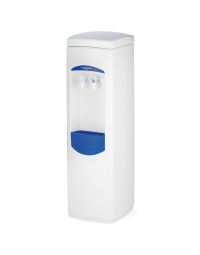
Not at a distant tap. Not locked in a vehicle. Water must be immediately accessible in or adjacent to the welfare cabin and, where possible, at the work location. A floor-standing water cooler or bottled water station with cups directly accessible removes the barrier to drinking regularly.
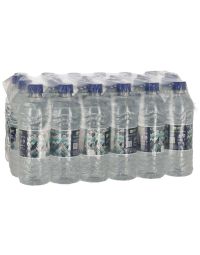
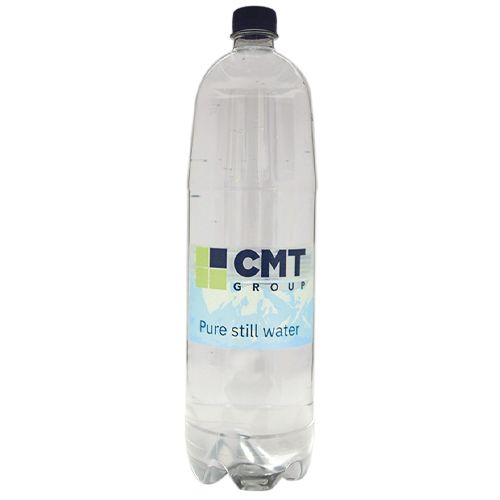
Individual 500ml or 1.5-litre bottles issued at the welfare cabin at the start of the shift means each operative has water at their work location, not just at break points. In hot weather, waiting for the next break to drink is already too long.
Toolbox talks in hot weather should include explicit instructions to drink regularly. Most operatives will not drink unless reminded. A simple verbal instruction at the start of the shift, combined with visible water provision, significantly increases fluid intake across the team.
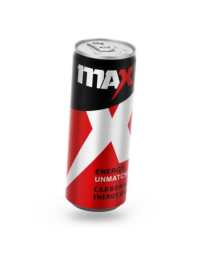
Alcohol accelerates dehydration. High-sugar drinks can temporarily raise energy but do not effectively replace fluid lost through sweating. Water and electrolyte drinks are the appropriate provision during a working shift in hot weather.
Dark urine, headache, dizziness, and reduced output are early indicators. Any operative showing these signs should be moved to a cool area, given water, and monitored. If symptoms do not improve or worsen, seek medical attention.
A water cooler without cups is not a water station. Biodegradable paper cups available at the dispenser remove the last barrier to regular hydration. Operatives will not carry a personal cup to every work location. The cup must be at the point of water.
Step one: cooling the air
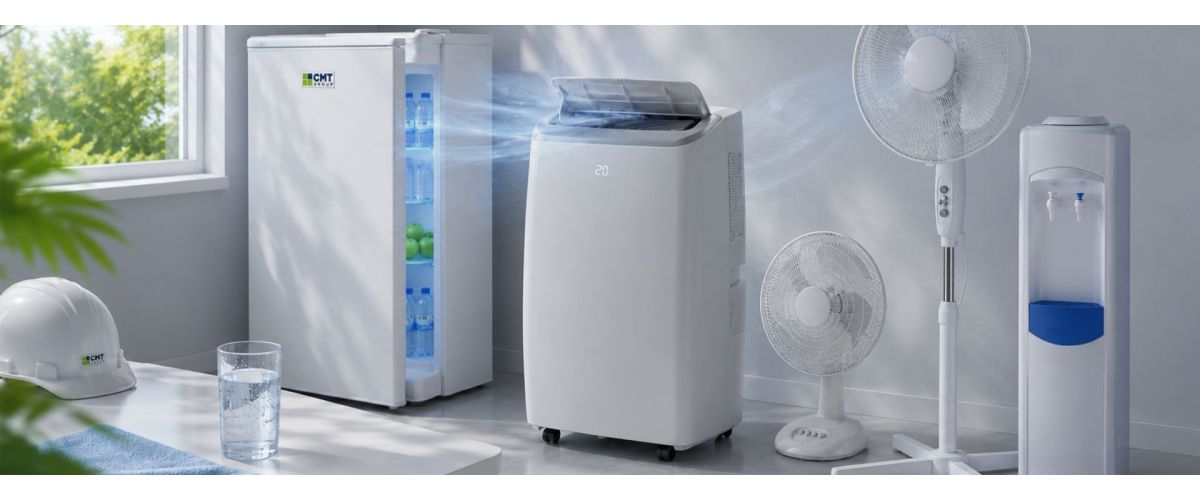
A fan moves air. An air conditioning unit removes heat from the air and expels it outside. These are fundamentally different interventions and the distinction matters for specifying the right product for each space.
In a welfare cabin with reasonable ventilation and summer temperatures up to 28 degrees, a fan is sufficient for most UK conditions. When temperatures consistently exceed 30 degrees in an enclosed, poorly ventilated space, a fan recirculating hot air provides limited relief. At those temperatures, a portable air conditioning unit is the correct specification.
A fan does not cool a room, it cools a person. By increasing air movement across the skin, it accelerates sweat evaporation and reduces perceived temperature. In a sealed welfare cabin at 35 degrees, this effect is real but limited. If the body cannot sweat fast enough to keep up with the heat load, a fan alone is insufficient regardless of its power.
24°C
28°C
33°C
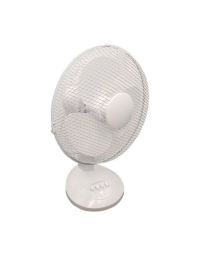
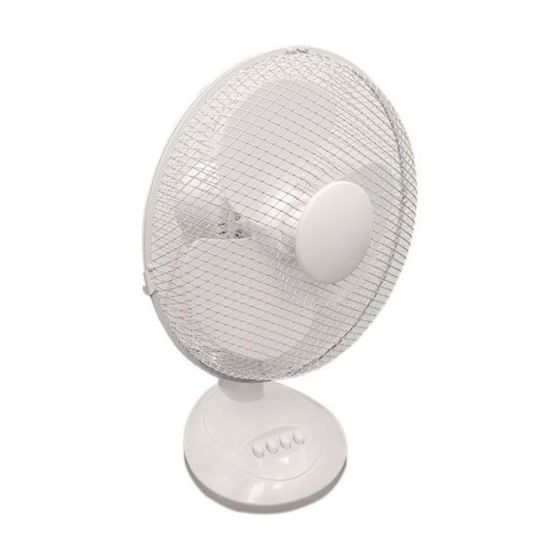
For individual workstations: 12-inch desk fan
The 12-inch oscillating desk fan sits on any desk or worktop. 80-degree oscillation, 25-degree tilt, three speed settings. Plug and go. The right choice for a site manager's office or individual workstation where floor space is limited.
For welfare canteens: 16-inch height-adjustable pedestal fan
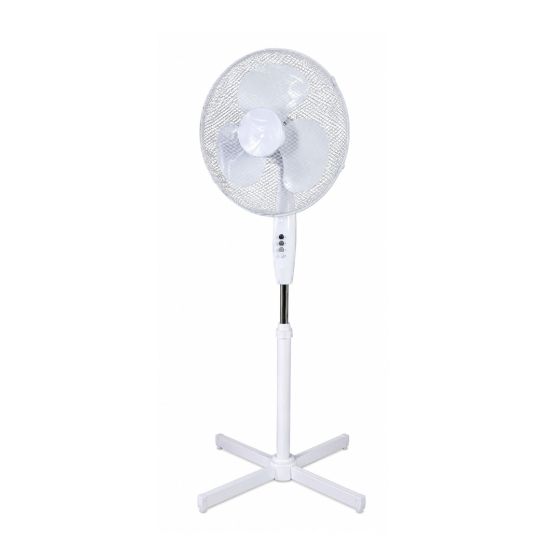
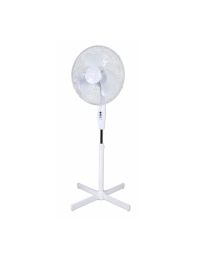
Height adjustable to 1.25m, the pedestal fan can be raised above canteen table height where airflow is most effective for seated operatives. The 80-degree oscillating head covers the full width of a standard welfare cabin without requiring repositioning during the shift.
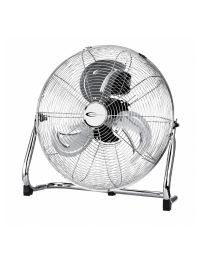
For workshops and large areas: 18-inch industrial floor fan
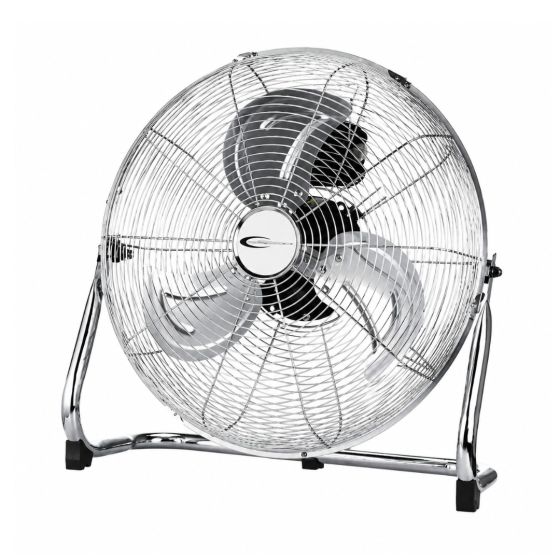
At 120W, the industrial floor fan moves substantially more air than any domestic equivalent. All-metal construction, aluminium housing, metal blades, chrome wire grill, built for sustained operation in dusty, high-temperature industrial environments. The correct specification for a workshop bay, warehouse, or large open-plan site building.
When only air conditioning will do
A sealed south-facing welfare cabin in direct sun during a July heatwave can reach 40 degrees or above. At those temperatures, circulating hot air faster does not meaningfully reduce the risk to people inside. A portable air conditioning unit physically removes heat from the air and expels it outside through a duct, reducing the actual room temperature. CMT Group stocks two 12,000 BTU portable AC units, including the Brittmade unit with R290 low-GWP refrigerant for projects with sustainability procurement requirements.


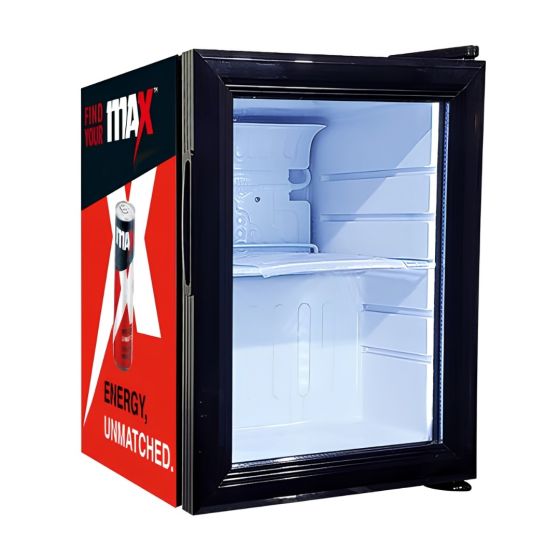
Step two: keeping food and drinks cold
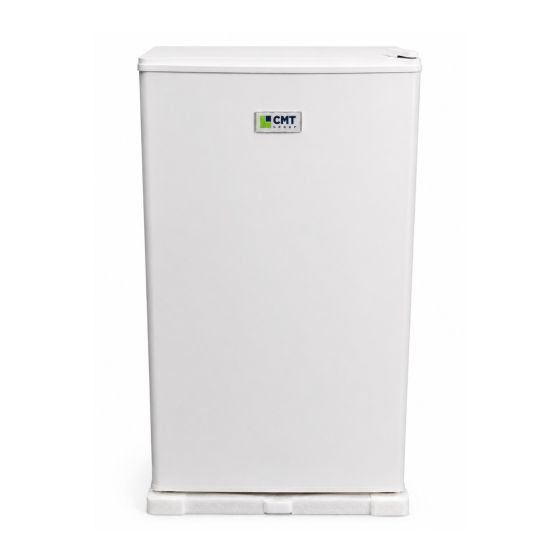
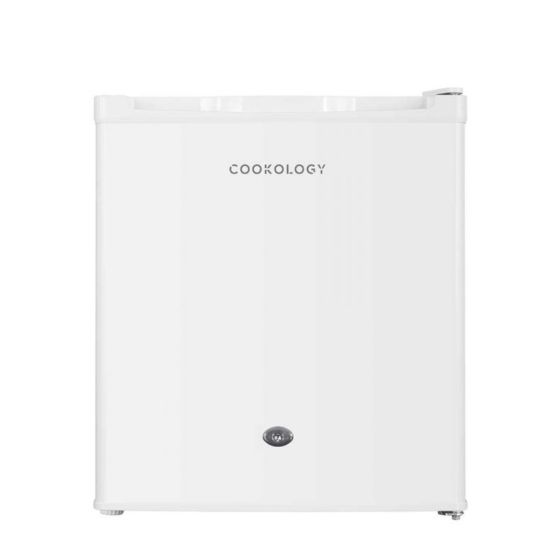
In a 35-degree welfare cabin, perishable food left at ambient temperature reaches unsafe levels within two to three hours. The Food Standards Agency guidance is that perishable food should not be kept above 8 degrees Celsius for more than four hours. In a hot unrefrigerated welfare cabin, that window closes well before midday. Refrigeration is not a comfort provision during a heatwave. It is a food safety requirement.
Step three: water dispensers, bottles and cups
HSE guidance is direct: employers must provide a sufficient supply of clean, cool drinking water that is readily accessible to all workers. During a heatwave this is a legal requirement tied to the duty of care under the Health and Safety at Work Act 1974. The provision must be adequate for the number of workers, accessible without a walk to a distant point, and available throughout the working day, not just at scheduled breaks.
Floor-standing water cooler: cold water on demand
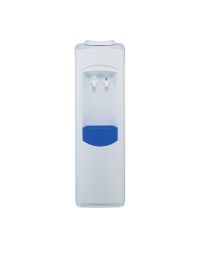
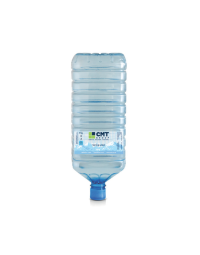
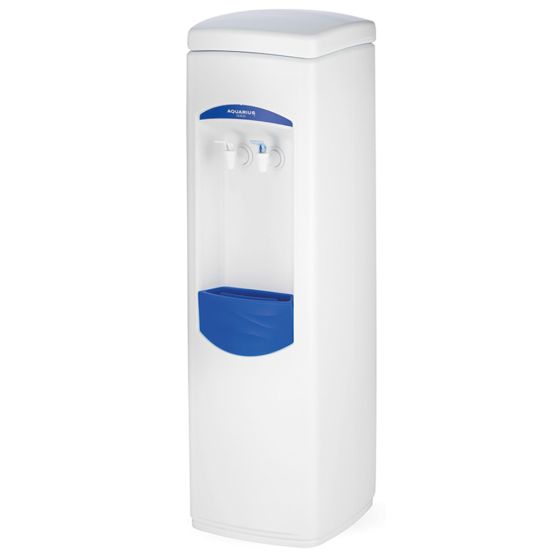
The CMT floor-standing water cooler dispenser accepts 15-litre and 20-litre bottles and delivers cold and ambient water on demand. Compatible with both 110V and 240V supplies, it covers welfare cabins with standard mains and site compounds running on a transformer. No plumbing required.
Plumbed-in dispenser: for sites with mains water
Bottled water and no-power dispensing

Individual bottles for issue at shift start

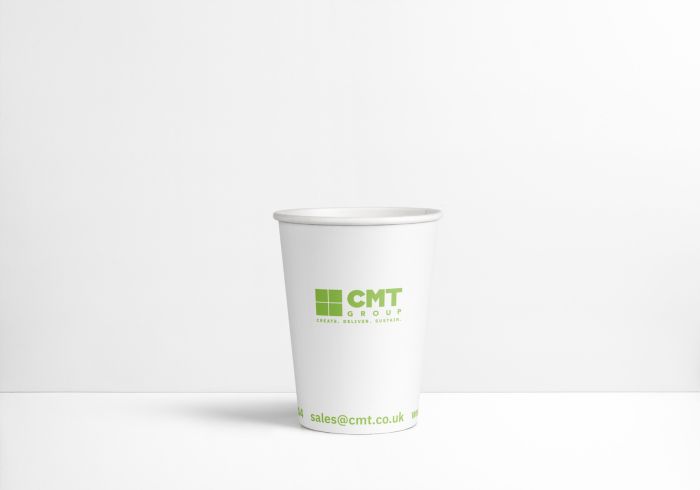
Biodegradable paper cups: complete the water station
A water cooler without cups is not a water station. Operatives will not carry a personal cup to every work location. Biodegradable 8oz paper cups available directly at the dispenser remove the last barrier to regular hydration. FSC-certified paper, compostable, supplied in cases of 1,000 for ongoing site welfare replenishment.
Step four: UV protection and sun safety
Dehydration and heat exhaustion are the acute risks of a heatwave. UV exposure is the chronic risk that site managers consistently underestimate. Construction workers represent just 8% of the UK workforce but account for 44% of occupational skin cancer cases and 42% of related deaths, according to figures cited in the Construction News June 2026 heatwave analysis. The Cancer Research UK recommendation is to apply SPF30 or higher sunscreen to all exposed skin before going outdoors and to reapply every two hours.
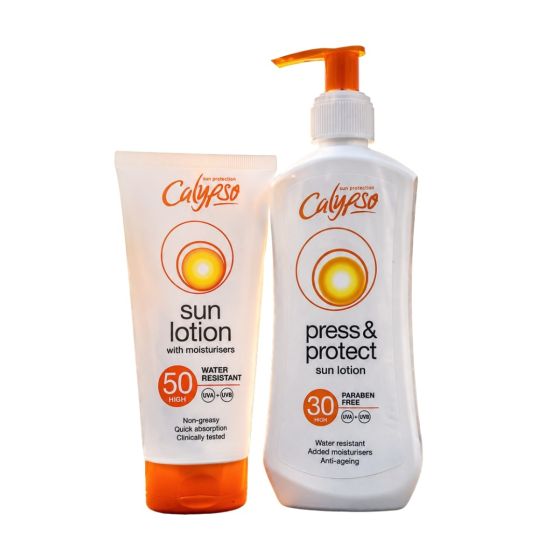
Under HSE guidance, where UV exposure is identified as an occupational risk, providing sun protection is part of the employer's duty to implement control measures. The most practical approaches are: individual-issue suncream for operative use, and a wall-mounted sun safety station at the welfare cabin entrance that operatives use at the start of every outdoor shift.
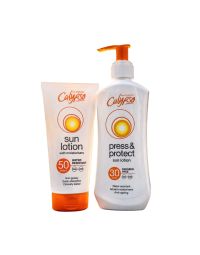
Individual-issue sun cream: SPF30 and SPF50
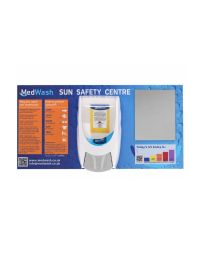
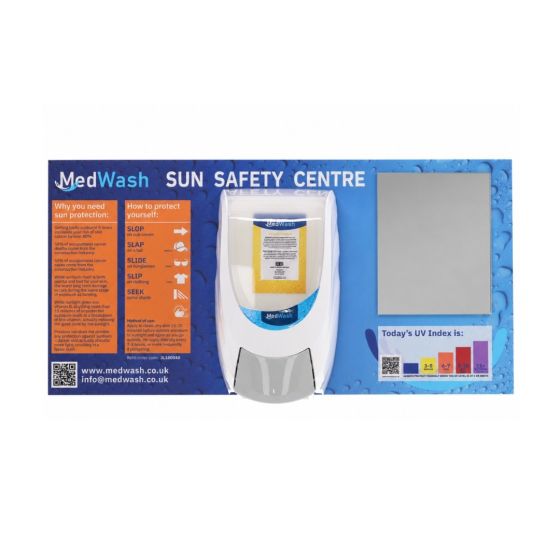
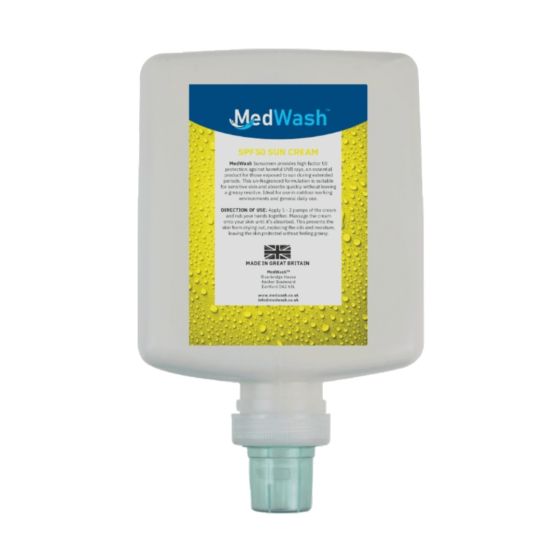
MedWash Sun Safety Centre: wall-mounted station for the welfare cabin
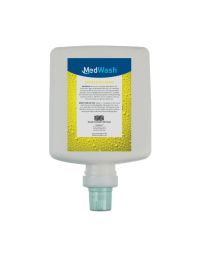
The MedWash Sun Safety Centre is a wall-mounted SPF50 sun cream dispenser with an integrated mirror, designed to be fixed at the welfare cabin entrance. Operatives apply sun cream as part of the process of leaving the cabin to start outdoor work, building it into the routine rather than relying on individual compliance. Unperfumed formula suitable for sensitive skin.
The heatwave welfare checklist
Use this before the first hot day of the season. The time to act is when the weather is still manageable. By the time temperatures hit 33 degrees and you are looking at your welfare provision for the first time, the window has already closed.
Scroll to see full checklist
| Welfare requirement | Priority | CMT product |
|---|---|---|
| Air cooling, individual workstations | Important | 12 Inch Oscillating Desk Fan (ELFAN01) |
| Air cooling, welfare canteen | Critical | 16" Pedestal Fan (ELFANF16) or 18" Industrial Fan (ELINDFF240) |
| Air conditioning for enclosed cabins above 33°C | Critical | Portable AC 12,000 BTU (H03622 or Brittmade) |
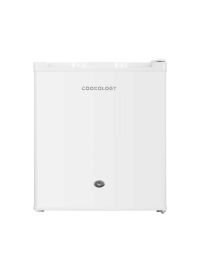
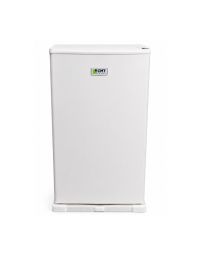
| Refrigerated food storage | Critical | Under Counter Fridge 80L (JL040001) or Counter Top Fridge 41L (CTF01) |
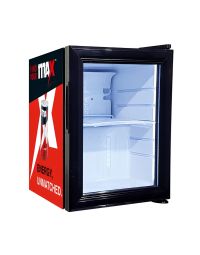
| Cold drinks display | Recommended | MAX Mini Drinks Fridge 21L (MAXFRDG01) |
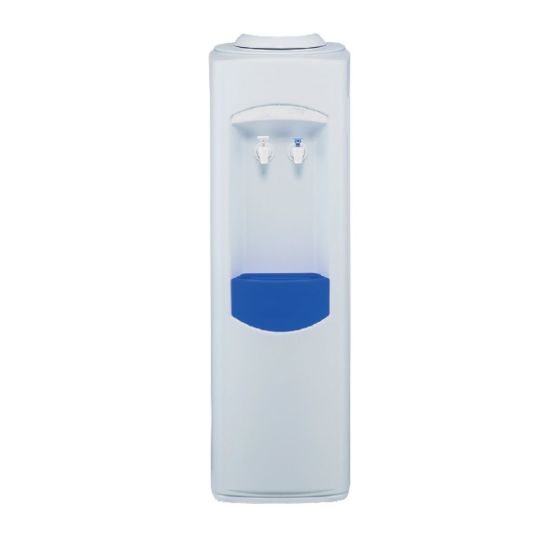
| Cold drinking water, mains connected | Critical | Plumbed In Water Dispenser (CTWATPLUMB240) |
| Cold drinking water, bottled | Critical | Water Cooler Dispenser (CTWATD02) + 15L Bottles (CTWATB015) |
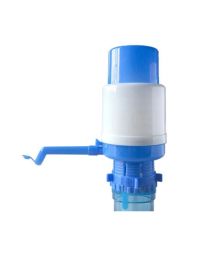
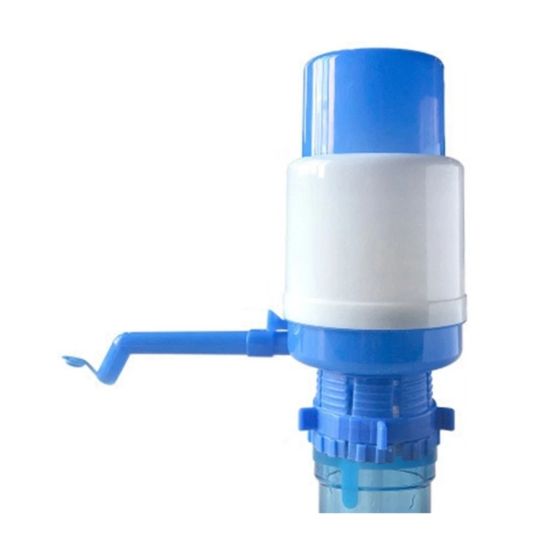
| No-power water dispensing | Recommended | Manual Hand Pump (WATDMHPU26) + 15L Bottles |
| Individual water, 500ml quick issue | Recommended | 500ml Spring Water Pack of 24 (CTSW24L) |
| Individual water, shift supply | Recommended | 1.5L Spring Water Pack of 8 (CTSW15L) |
| Cups at every water station | Critical | 8oz Biodegradable Paper Cups Case of 1,000 (COMCUP8) |
| Individual sun cream for operative issue | Important | Outdoor Worker Sun Cream SPF30/SPF50 200ml |
| Wall-mounted sun safety station | Recommended | MedWash Sun Safety Centre SPF50 (JL100029) + Refill (JL100040) |
Order before the heatwave, not during it. During the June 2026 heatwave, major contractors on HS2 and Hinkley Point C had to restructure shifts overnight and source welfare equipment at short notice. CMT Group offers next-day delivery on stocked welfare lines when you order by 7pm. The site manager who orders today has everything in place by 8am tomorrow.
Frequently asked questions
Heat exhaustion occurs when the body overheats but is still able to sweat and attempt to cool itself. Symptoms include heavy sweating, dizziness, weakness, headache, and nausea. The person can typically still respond and communicate. Move them to a cool area, give water, loosen clothing and cool with a damp cloth. Heat stroke occurs when the body's temperature regulation fails and core temperature rises above 40 degrees Celsius. Sweating stops, the skin becomes hot and dry, and the person may become confused, lose consciousness, or have seizures. Heat stroke is a medical emergency — call 999 immediately and begin cooling the person with cold water or ice packs to the neck, armpits and groin while waiting for help.
![8oz Biodegradable Paper Cup [Single Wall] (Case of 1000) | CMT Group](https://www.cmt.co.uk/media/catalog/product/cache/6e07d0e8b94185af26caa986d2b4aaa2/c/o/comcup8.jpg)