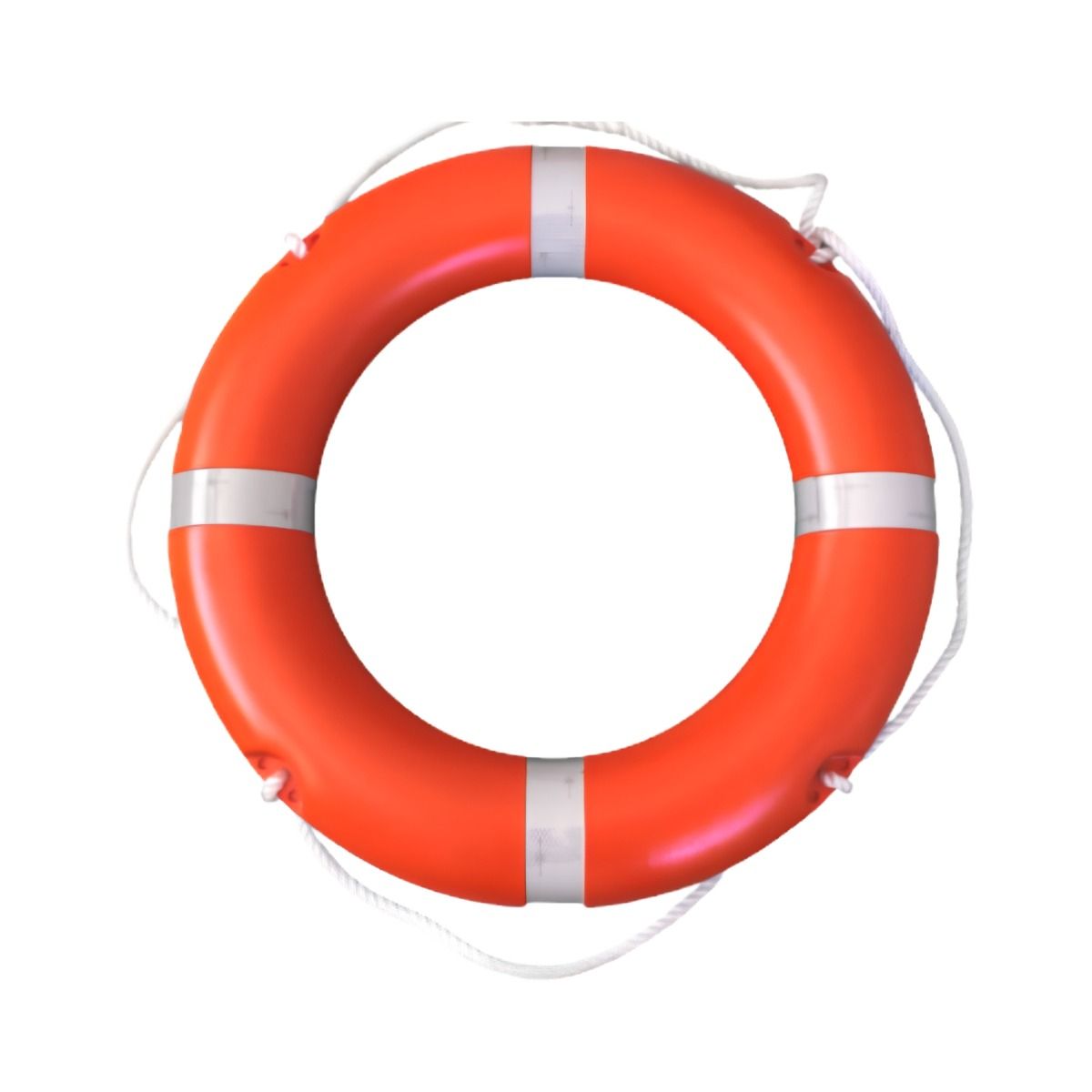
Lifebuoy ring, 30 inch and SOLAS approved, for rescuing people from the water at docks, harbours, marinas and waterside sites.
- SOLAS approved, MED wheel mark
- 30 inch - 74cm outside diameter
- Lightweight - 2.5kg
- PU foam filled, no water ingress
- SOLAS reflective tape
- Supplied with a grab line fitted
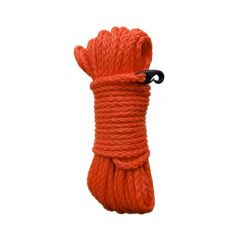
- Throw line sold separately (LBR30)
- Orange
Lifebuoy Ring - 30 Inch SOLAS Approved
Lifebuoy ring, 30 inch and SOLAS approved, for rescuing people from the water at docks, harbours, marinas and waterside sites.
- SOLAS approved, MED wheel mark
- 30 inch - 74cm outside diameter
- Lightweight - 2.5kg
- PU foam filled, no water ingress
- SOLAS reflective tape
- Supplied with a grab line fitted
- Throw line sold separately (LBR30)
- Orange
- Buy 3 for £121.96 £101.63 each and save 5%
- Buy 6 for £114.66 £95.55 each and save 10%
| BULK DISCOUNT | 3 | 6 |
|---|---|---|
| Price | £101.63 £121.96 | £95.55 £114.66 |
Order 1x to earn 106 FASTPoints
Order to earn 106 FASTPoints
Log in to access trade discountsLifebuoy Ring - 30 Inch
A lifebuoy ring is a buoyant ring thrown or lowered to someone in the water, so they can stay afloat while they are pulled to safety. This 30 inch ring has a high density polyethylene shell filled with PU foam, so it cannot take on water. It is approved to SOLAS and the Marine Equipment Directive for use on ships, docks, harbours and waterside sites.
How a Larger Ring Helps Where the Drop to the Water Is High
At a dock or harbour wall, the casualty may be several metres below the rescuer. A small ring is harder to aim and gives less support to someone who is tired or in cold water. The 30 inch ring is larger and more buoyant than a 24 inch ring, so it is easier to land close to the casualty and to hold on to.
Key Features
-
SOLAS and MED approved: meets SOLAS 74 and the IMO LSA Code, with the MED ship’s wheel mark.
-
30 inch, 74cm outside diameter: more buoyancy and a bigger target than a 24 inch ring.
-
PU foam filled: the foam core prevents water getting into the ring.
-
SOLAS reflective tape: shows up in torch and searchlight beams at night.
-
Grab line around the ring: gives the casualty something to hold.
-
Cross-linked polyethylene shell: a tough shell for permanent outdoor mounting.
Who is this for
Trades and roles
-
Harbour and marina managers
-
Port and dock operators
-
Site managers on waterside projects
-
Facilities and estates managers
-
Health and safety managers
-
Ship operators and crew
Industries
-
Ports, harbours and marinas
-
Commercial shipping
-
Water and wastewater utilities
-
Civil engineering and marine construction
-
Local authorities and public spaces
-
Leisure and waterside hospitality
Specifications
| Specification | Detail |
|---|---|
| Product name | Lifebuoy Ring - 30 Inch SOLAS Approved |
| Product code | LB30 |
| Product type | Lifebuoy ring (life ring) for water rescue |
| Approvals | MED/1.1 approved under the Marine Equipment Directive 2014/90/EU (ship’s wheel mark); SOLAS 74 as amended; IMO LSA Code; tested to IMO MSC.81(70) as amended |
| Size | 30 inch |
| Outside diameter | Approx. 74cm |
| Inside diameter | Approx. 44cm |
| Weight | Approx. 2.5kg |
| Shell | High density cross-linked polyethylene |
| Core | PU foam filled, to prevent water ingress |
| Reflective tape | SOLAS compliant retro-reflective tape |
| Grab line | Fitted around the ring |
| Throw line | Not included, sold separately |
| Use | Inland and coastal waters, commercial and leisure, including ships |
| Colour | Orange |
Compatibility
| Location, use or requirement | Suitability |
|---|---|
| Docks, piers, harbours and marinas | Suitable, the larger ring suits a straight drop to the casualty |
| Rivers, canals, lakes and reservoirs | Suitable |
| Water treatment works, waterside construction and public spaces | Suitable |
| Ships needing SOLAS and MED approved lifebuoys | Suitable |
| UK-flagged ships needing the MER Red Ensign mark | Not recommended, an MER version is available to order |
| Retrieving a casualty without a line | Not recommended, add a floating throw line or an encapsulated throw line |
| Exposed or vandal-prone locations without a housing | Not recommended, use a lifebuoy housing or cabinet |
| Swimming aid or play float | Not recommended, for rescue use only |
Typical Users and Projects
Lifebuoys are fitted wherever people work or walk beside deep or fast water. Harbour authorities, marinas, utilities and waterside construction sites mount them at regular points along the edge. Anyone can throw one, but staff should know where the nearest lifebuoy is and how to use it.
Typical applications
-
Fitting lifebuoys along dock and harbour walls where there is a straight drop to the water.
-
Providing rescue equipment on piers, pontoons and marinas.
-
Equipping ships that need SOLAS and MED approved lifebuoys.
-
Covering open tanks and channels at water and wastewater treatment works.
-
Providing water rescue cover on bridge, river and canal construction projects.
-
Placing rescue equipment beside lakes, rivers and reservoirs in public spaces.
How to use
Step 1: Call 999. At the coast, ask for the Coastguard. Inland, ask for the Fire and Rescue Service.
Step 2: Stay on land. Never go into the water after the casualty.
Step 3: Hold the end of the throw line, or tie it off securely.
Step 4: Throw the lifebuoy beyond the casualty, so the line lands across them, or lower it from a height.
Step 5: Tell the casualty to hold the grab line, then pull them gently to the edge.
Step 6: Return the lifebuoy and line to their position, and report the incident.
Common mistakes
-
Fitting a lifebuoy with no throw line, so the casualty cannot be pulled in.
-
Throwing the ring straight at the casualty, which can injure them.
-
Entering the water to help, which puts a second person at risk.
-
Mounting lifebuoys too far apart along a long water’s edge.
-
Leaving damaged, faded or missing lifebuoys unreplaced.
Safety
Never enter the water to rescue someone. Call 999 straight away. Make sure lifebuoys are visible, easy to reach and fitted with a throw line. Your risk assessment decides how many lifebuoys you need and where.
Maintenance
Check each lifebuoy regularly, and after storms or vandalism. Replace any with cracks, damage, faded reflective tape or a frayed line. Keep the throw line coiled and ready.
Frequently Asked Questions
Q: Where should a 30 inch lifebuoy be used?
A: It suits docks, piers, harbours and marinas, especially where there is a straight drop between the rescuer and the casualty. It is also used inland at rivers, lakes, water treatment works and in public spaces where more buoyancy is needed. It is approved for use on ships.
Q: What does 30 inch mean on a lifebuoy?
A: It is the nominal size of the ring. This lifebuoy has an outside diameter of about 74cm and an inside diameter of about 44cm. It weighs about 2.5kg.
Q: What do SOLAS, MED and MSC.81(70) mean?
A: SOLAS is the International Convention for the Safety of Life at Sea, the main treaty for ship safety. MED is the EU Marine Equipment Directive 2014/90/EU, shown by the ship’s wheel mark. MSC.81(70) is the IMO resolution that sets how life-saving appliances such as lifebuoys are tested.
Q: What is this lifebuoy not suitable for?
A: It is not a swimming aid or play float. It does not carry the UK MER Red Ensign mark, so UK-flagged ships that need it should order the MER version. It should not be fitted without a throw line.
Q: Should I choose a 30 inch or a 24 inch lifebuoy?
A: A 30 inch lifebuoy is larger and more buoyant than a 24 inch one. It suits high drops, docks, harbours and commercial sites. A 24 inch ring is smaller and lighter.
Q: Does the lifebuoy come with a rope?
A: The ring has a grab line fitted around it for the casualty to hold. The throw line for pulling the casualty in is sold separately. Choose a floating throw line, or an encapsulated throw line that fits inside the ring.
Q: How should lifebuoys be stored outdoors?
A: Mount them on a post or in a housing at the water’s edge, where they are easy to see and reach. In exposed or vandal-prone spots, a lifebuoy housing or cabinet protects the ring and line. Check them regularly and after storms.