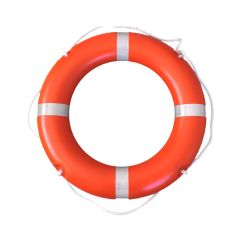
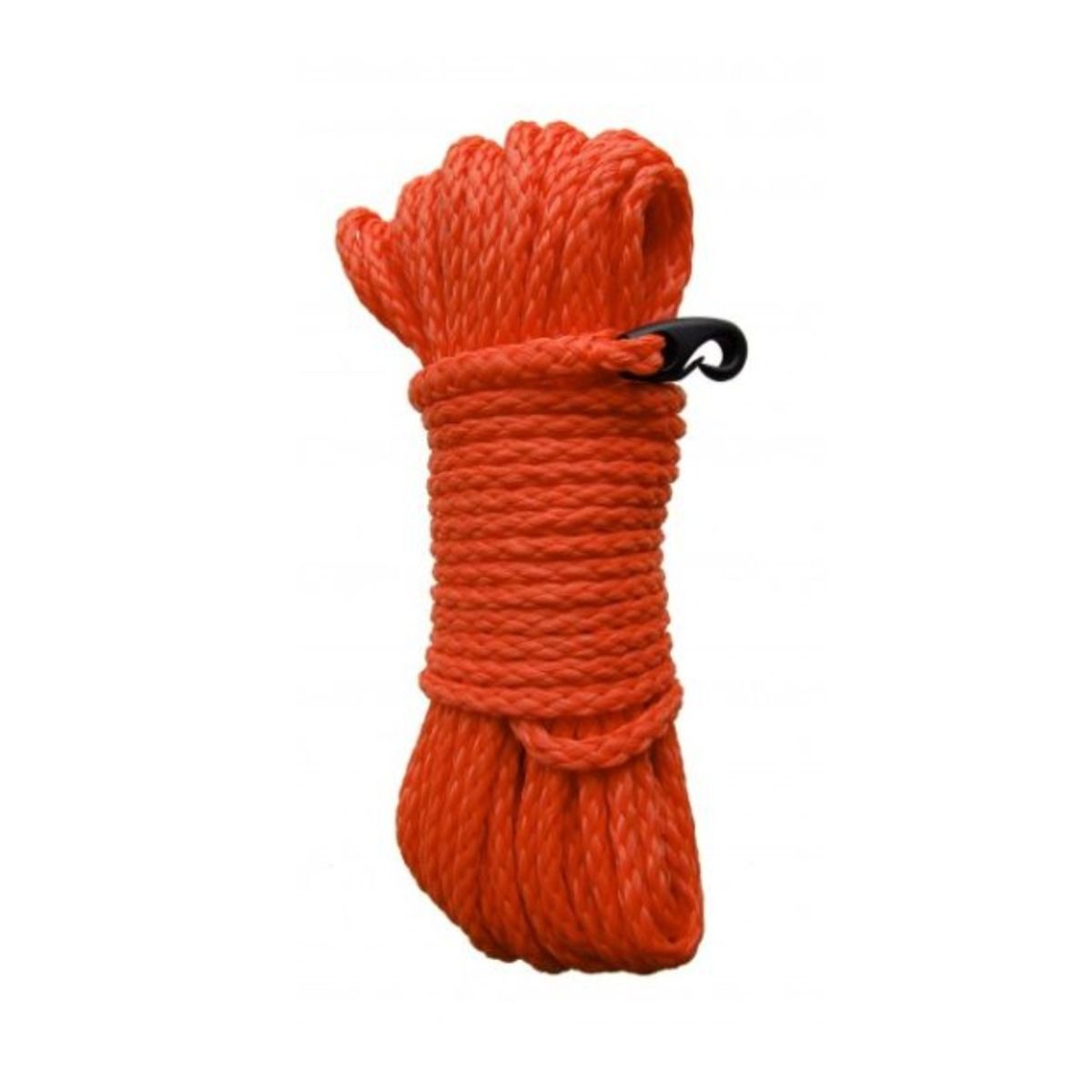
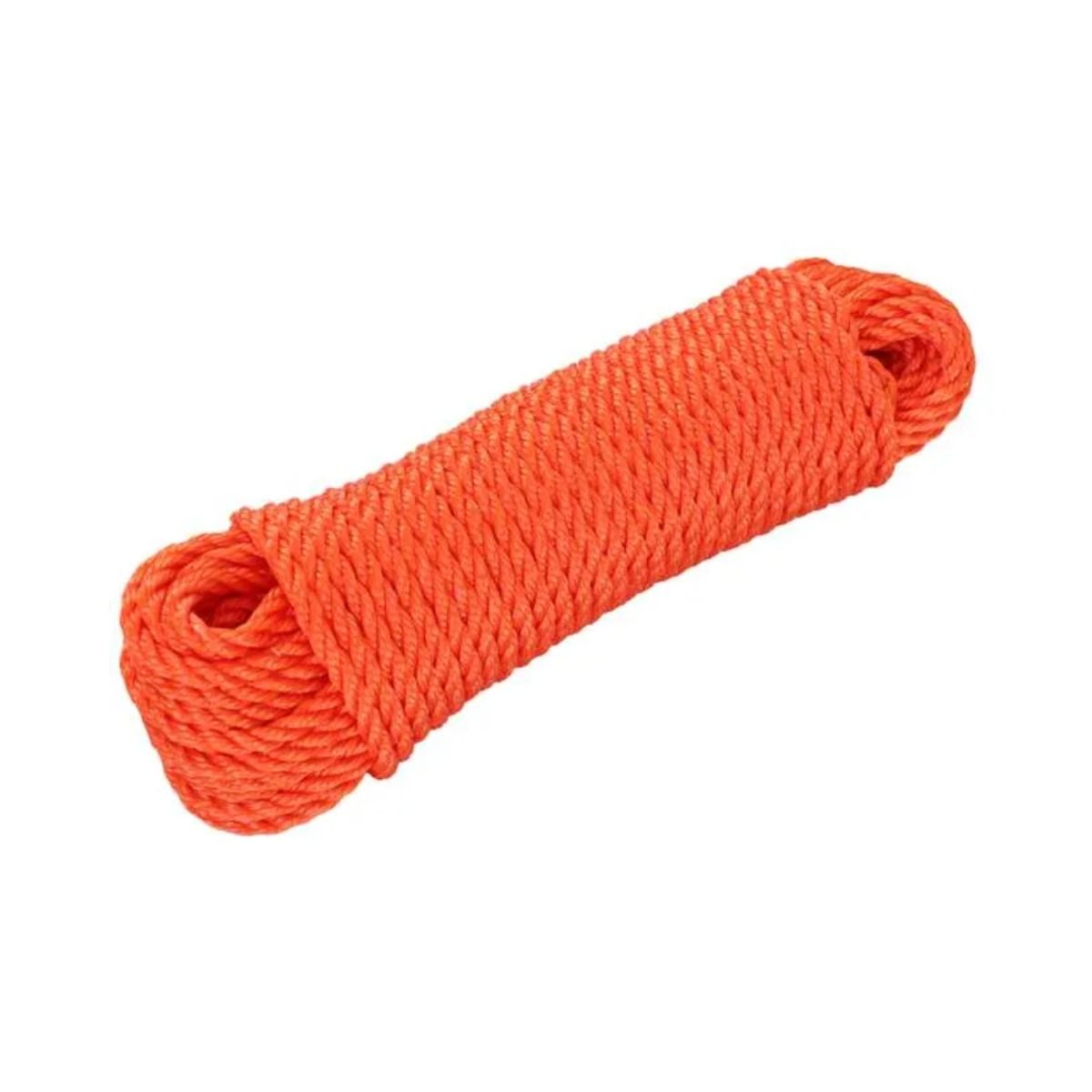
Floating lifebuoy throw line for pulling a casualty to the edge, for harbour, marina and waterside site teams.
- Floats on the water surface
- 3-strand polyethylene rope
- Tensile strength 450kg
- High-visibility orange
- Orange
- 30m x 8mm (The first number is the line length. The second number is the rope diameter.)
Floating Lifebuoy Throw Line 30m x 8mm
Floating lifebuoy throw line for pulling a casualty to the edge, for harbour, marina and waterside site teams.
- Floats on the water surface
- 3-strand polyethylene rope
- Tensile strength 450kg
- High-visibility orange
- Orange
- 30m x 8mm (The first number is the line length. The second number is the rope diameter.)
- Buy 3 for £48.23 £40.19 each and save 7%
- Buy 6 for £42.76 £35.63 each and save 18%
| BULK DISCOUNT | 3 | 6 |
|---|---|---|
| Price | £40.19 £48.23 | £35.63 £42.76 |
Order 1x to earn 43 FASTPoints
Order to earn 43 FASTPoints
Log in to access trade discountsFloating Lifebuoy Throw Line 30m x 8mm - Orange Rope
A floating lifebuoy throw line is the rope tied to a lifebuoy ring, so a rescuer on the bank can pull a casualty in. This 30m line is made from 3-strand twisted polyethylene, which floats on the surface instead of sinking. The orange colour makes it easy to see against the water.
How a Floating Line Stays Within Reach of the Casualty
A standard rope sinks once it hits the water. The casualty then cannot see it or grab it, and the sunken rope can snag below the surface. A floating line stays on top of the water, where the casualty can see it, grab it and be pulled to the edge.
Key Features
-
Floating polyethylene: the line stays on the surface, so it does not sink or snag underwater.
-
30m length: reaches a casualty who has drifted away from the edge.
-
Orange colour: easy for the rescuer and the casualty to see on the water.
-
3-strand twisted rope: a firm, simple construction that is easy to inspect for wear.
-
8mm diameter: gives a firm grip for pulling in a casualty by hand.
-
450kg tensile strength: a strong line for pulling a person through the water.
Who is this for
Trades and roles
-
Harbour and marina managers
-
Site managers on waterside projects
-
Health and safety managers
-
Facilities and estates managers
-
Water treatment site teams
Industries
-
Ports, harbours and marinas
-
Civil engineering and marine construction
-
Water and wastewater utilities
-
Local authorities and public spaces
-
Leisure and waterside hospitality
Specifications
| Specification | Detail |
|---|---|
| Product name | Floating Lifebuoy Throw Line 30m x 8mm |
| Product code | LBR30 |
| Product type | Floating throw line for lifebuoy rings |
| Buoyancy | Floats on the water surface |
| Length | 30m |
| Diameter | 8mm |
| Tensile strength | 450kg |
| Construction | 3-strand twisted rope |
| Material | Polyethylene |
| Colour | Orange |
Compatibility
| Use, location or requirement | Suitability |
|---|---|
| Lifebuoy rings at docks, harbours, marinas and waterside sites | Suitable |
| Rivers, canals, lakes and water treatment works | Suitable |
| Lifebuoy housings and cabinets | Suitable, coiled inside with the lifebuoy |
| Ships needing a SOLAS or MED approved buoyant lifeline | Not recommended, use an approved lifeline rated to at least 5kN |
| Lifting, towing or mooring | Not recommended, use rope rated for the load |
| Climbing, rope access or fall arrest | Not recommended, use certified fall protection equipment |
Typical Users and Projects
Throw lines are fitted to lifebuoys wherever people work or walk beside deep or fast water. Harbours, marinas, utilities and waterside construction sites keep one with every lifebuoy point. Anyone can use one in an emergency, but staff should know where the nearest lifebuoy and line are kept.
Typical applications
-
Fitting a line to each lifebuoy along dock and harbour walls.
-
Replacing worn, faded or missing lines on existing lifebuoys.
-
Equipping lifebuoy points on piers, pontoons and marinas.
-
Providing water rescue cover on bridge, river and canal construction projects.
-
Equipping lifebuoys beside open tanks and channels at water treatment works.
-
Stocking lifebuoy points beside lakes, rivers and reservoirs in public spaces.
How to use
Step 1: Tie one end of the line securely to the grab line of the lifebuoy.
Step 2: Coil the line loosely and store it with the lifebuoy, with the free end easy to reach.
Step 3: In an emergency, call 999. At the coast, ask for the Coastguard. Inland, ask for the Fire and Rescue Service.
Step 4: Hold the free end firmly or tie it off on land. Never wrap it around your hand or body.
Step 5: Throw the lifebuoy beyond the casualty, so the line lands across them, then pull them gently to the edge.
Step 6: After use, dry and check the line, then coil it and return it to the lifebuoy.
Common mistakes
-
Leaving a lifebuoy with no line, so the casualty cannot be pulled in.
-
Storing the line tightly wound or knotted, so it tangles when thrown.
-
Wrapping the line around a hand or wrist, which can pull the rescuer in.
-
Using the line for mooring, towing or lifting, which wears it before it is needed.
-
Leaving a faded or frayed line in place instead of replacing it.
Safety
Never enter the water to rescue someone. Call 999 straight away. Keep the line attached and ready at every lifebuoy point. Your risk assessment decides how many lifebuoy points you need and where.
Maintenance
Check the line regularly, after use and after storms. Replace it if it is frayed, cut, stiff or faded. Dry it after use and store it coiled with the lifebuoy.
Frequently Asked Questions
Q: What is a floating lifebuoy throw line used for?
A: It connects a lifebuoy ring to the rescuer on the bank. The rescuer throws the lifebuoy to the casualty and keeps hold of the line. Once the casualty holds the lifebuoy, the rescuer pulls them to the edge.
Q: What does 30m x 8mm mean on a lifebuoy line?
A: The first number is the length of the line, 30m. The second number is the rope diameter, 8mm.
Q: What does a tensile strength of 450kg mean?
A: It is the supplier’s strength figure for the rope, about 4.4kN. It shows the line is strong enough to pull a person through the water. It is not a working load for lifting, towing or mooring.
Q: Is this line SOLAS approved?
A: This line carries no SOLAS or MED approval. SOLAS buoyant lifelines for ships need a breaking strength of at least 5kN, about 510kg. Use this line at workplace and waterside lifebuoy points, and fit an approved lifeline on ships where SOLAS applies.
Q: What is this throw line not suitable for?
A: It is not for lifting, towing, mooring, climbing or fall arrest. It is not a SOLAS approved lifeline for ships. Use it only as a rescue line with a lifebuoy.
Q: Why does a lifebuoy line need to float?
A: A sinking rope drops below the surface, where the casualty cannot see or grab it. It can also snag underwater as it is pulled in. A floating line stays on top of the water, close to the casualty.
Q: How do I attach the throw line to a lifebuoy?
A: Tie one end securely to the grab line around the lifebuoy. Coil the rest loosely beside the lifebuoy so it pays out cleanly when thrown. Keep the free end where the rescuer can reach it.
Q: How often should a lifebuoy line be checked?
A: Check it regularly, after every use and after storms. Replace it if it is frayed, cut, stiff or faded.