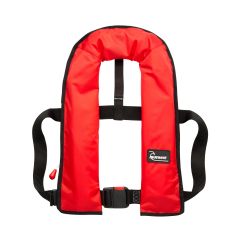
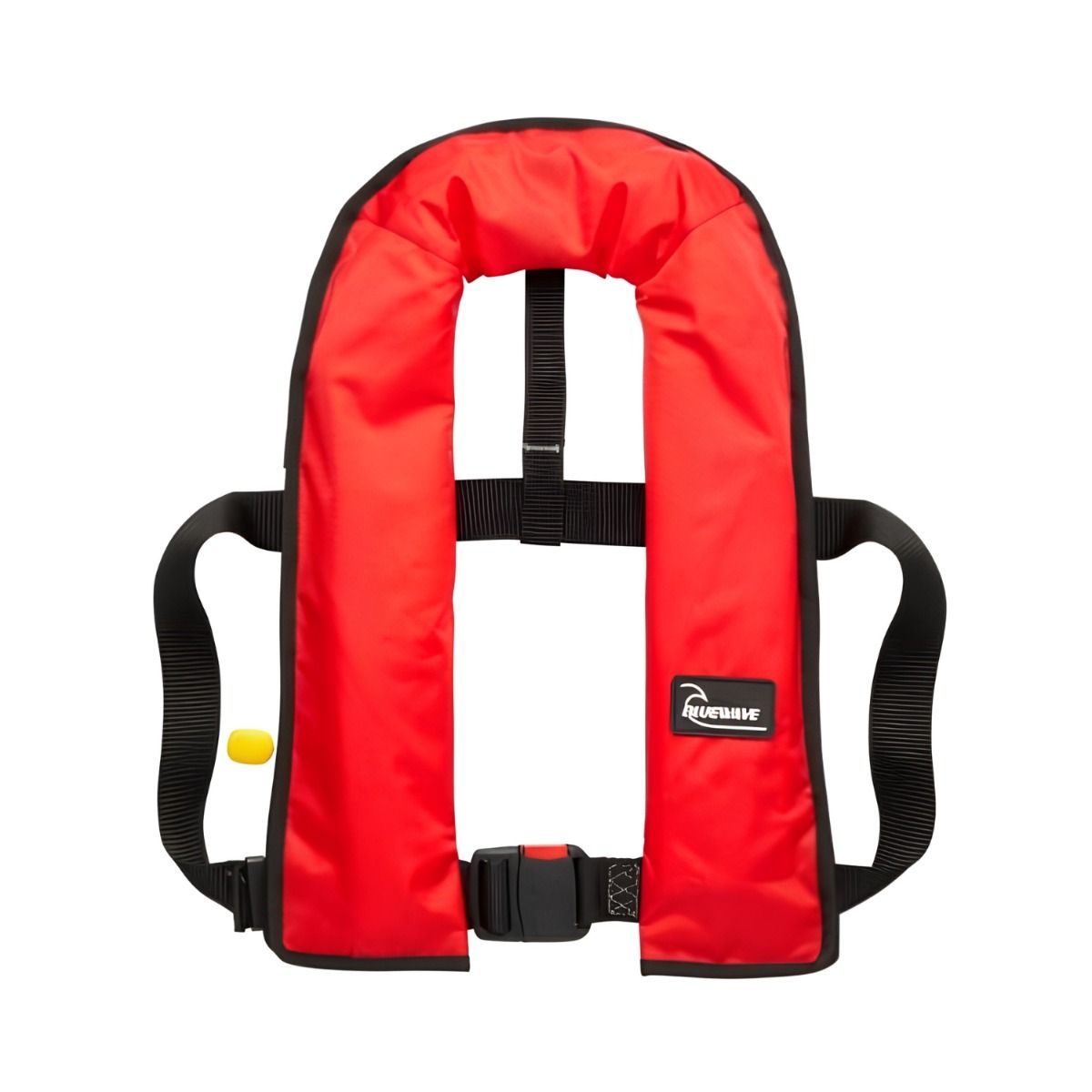
150N manual lifejacket with pull cord inflation, for boat crews and waterside workers on inshore and coastal waters.
- Pull toggle inflation, 33g CO2 cylinder
- EN ISO 12402-3, 150N buoyancy
- Turns the wearer upright in the water
- Oral inflation tube and safety whistle
- SOLAS grade reflective tape
- Soft webbing, quick release buckle
- Adult one size, 40kg to 115kg, chest up to 52 inch (132cm)
- Manual Lifejacket
- Colour: Red
Bluewave 150N Manual Lifejacket - Pull Cord Inflation
150N manual lifejacket with pull cord inflation, for boat crews and waterside workers on inshore and coastal waters.
- Pull toggle inflation, 33g CO2 cylinder
- EN ISO 12402-3, 150N buoyancy
- Turns the wearer upright in the water
- Oral inflation tube and safety whistle
- SOLAS grade reflective tape
- Soft webbing, quick release buckle
- Adult one size, 40kg to 115kg, chest up to 52 inch (132cm)
- Manual Lifejacket
- Colour: Red
- Buy 3 for £167.17 £139.31 each and save 5%
- Buy 6 for £158.69 £132.24 each and save 10%
| BULK DISCOUNT | 3 | 6 |
|---|---|---|
| Price | £139.31 £167.17 | £132.24 £158.69 |
Order 1x to earn 146 FASTPoints
Order to earn 146 FASTPoints
Log in to access trade discountsBluewave 150N Manual Lifejacket
A 150N manual lifejacket is an inflatable lifejacket that the wearer inflates by pulling a toggle once in the water. A 33g CO2 cylinder fills a single chamber, which gives 150 newtons of buoyancy and turns the wearer upright. It is tested to EN ISO 12402-3 for inshore and coastal use in fresh and salt water.
How a Lighter Lifejacket Stays On Through the Working Day
Many work lifejackets have hard harness webbing, crutch straps and steel buckles. On a warm day or a long shift, they feel heavy, and people take them off. This lifejacket uses soft webbing, a plastic buckle and a high cut, so it is light enough to keep on all day.
Key Features
-
Pull toggle inflation: the jacket inflates only when the wearer pulls the toggle, so spray and rain do not set it off.
-
150N buoyancy: tested to EN ISO 12402-3 and supports the wearer in foul weather clothing.
-
Oral inflation tube: inflates the jacket by mouth or tops up the chamber in the water.
-
SOLAS grade reflective tape: on the bladder, so it shows up in torch and searchlight beams.
-
Soft webbing and ABS buckle: light and comfortable, even over summer clothing.
-
High cut: leaves the arms free for handling ropes and working on deck.
-
Hook and loop cover: opens easily for checking the cylinder and bladder.
Who is this for
Trades and roles
-
Boat crews and skippers
-
Marina and harbour staff
-
Survey and inspection teams on water
-
Water bailiffs and environmental teams
-
Health and safety managers
Industries
-
Ports, harbours and marinas
-
Water and wastewater utilities
-
Environmental and ecology services
-
Civil engineering and marine construction
-
Leisure boating and boat hire
Specifications
| Specification | Detail |
|---|---|
| Product name | Bluewave 150N Manual Lifejacket - Pull Cord Inflation |
| Product code | LJBRM150N |
| Product type | Inflatable gas lifejacket, manual |
| Standard | EN ISO 12402-3 (lifejackets, performance level 150) |
| Buoyancy | 150N |
| Inflation | Manual, pull toggle |
| Inflator | UML-5, United Moulders |
| CO2 cylinder | 33g, 1/2 inch UNF thread |
| Oral inflation tube | Yes |
| Chambers | Single |
| Harness | None |
| Reflective tape | SOLAS grade retro-reflective tape on the bladder |
| Safety whistle | Yes |
| Outer cover | Nylon oxford, hook and loop closure |
| Buckle | Quick release ABS plastic |
| Webbing | Soft webbing |
| Use | Inshore and coastal, fresh and salt water |
| Size | Adult one size |
| Wearer weight | 40kg to 115kg |
| Maximum chest | 52 inch (132cm) |
| Weight | Approx. 750g |
| Brand | Bluewave |
| Colour | Red |
Compatibility
| Wearer, use or condition | Suitability |
|---|---|
| Conscious wearers on boats, pontoons and inshore work | Suitable |
| Fresh and salt water | Suitable |
| Worn over foul weather clothing | Suitable |
| Adults 40kg to 115kg with a chest up to 52 inch | Suitable |
| Work where a fall could knock the wearer unconscious | Not recommended, use an automatic lifejacket |
| Clipping on to a safety line or jackstay | Not recommended, no harness, use a harness lifejacket |
| Children and adults under 40kg | Not recommended, use a lifejacket sized for the wearer |
Typical Users and Projects
Manual lifejackets are worn by people who work on small boats and pontoons, and stay alert while they work. Typical users include harbour crews, survey teams and boat hire staff on inshore and coastal waters. Every wearer should be shown how to find and pull the toggle before they go on the water.
Typical applications
-
Crewing workboats, tenders and launches in harbours and marinas.
-
Carrying out river, lake and coastal surveys from small boats.
-
Working on pontoons and moorings in calm, supervised conditions.
-
Providing lifejackets for staff at boat hire and leisure centres.
-
Equipping environmental and water quality teams sampling from boats.
How to use
Step 1: Check the lifejacket before each use. The cylinder should be screwed tight and unused, and the cover closed and undamaged.
Step 2: Put the lifejacket on, fasten the buckle and adjust the waist strap for a snug fit.
Step 3: If you go into the water, pull the toggle firmly to inflate the jacket.
Step 4: Top up through the oral tube if needed, and use the whistle to attract attention.
Step 5: After inflation, dry the jacket, fit a new 33g CO2 cylinder and repack it as the manufacturer’s instructions describe.
Common mistakes
-
Choosing a manual lifejacket where a fall could knock the wearer unconscious.
-
Wearing the jacket loose, so it rides up when inflated.
-
Not checking the cylinder, so the jacket fails to inflate.
-
Clipping a safety line to the jacket, which has no harness.
-
Putting the jacket away wet, which can damage the cover and inflator.
Safety
Your risk assessment decides which type of lifejacket is needed. Where a wearer could be knocked unconscious, use an automatic lifejacket. Train every wearer to find and pull the toggle, and follow HSE guidance on personal buoyancy equipment.
Maintenance
Rinse the jacket in fresh water after use in salt water, then dry it naturally away from direct heat. Check the cylinder and cover before every use. Have the lifejacket serviced as the manufacturer’s instructions describe.
Frequently Asked Questions
Q: How does a manual lifejacket inflate?
A: The wearer pulls the toggle once in the water. This fires the 33g CO2 cylinder, which fills the chamber in seconds. The jacket can also be inflated or topped up by mouth through the oral tube.
Q: What does 150N mean on a lifejacket?
A: 150N is the buoyancy, measured in newtons. It equals roughly 15kg of lift. A 150N lifejacket supports an adult in foul weather clothing and turns them upright in the water.
Q: What does EN ISO 12402-3 mean?
A: EN ISO 12402 is the standard for personal flotation devices. Part 3 covers lifejackets at performance level 150. A lifejacket tested to it has a minimum buoyancy of 150N.
Q: What is this lifejacket not suitable for?
A: It is not suitable where a fall could knock the wearer unconscious, as it only inflates when the toggle is pulled. It has no harness, so it cannot be clipped to a safety line. It is not sized for children or adults under 40kg.
Q: Should I choose a manual or an automatic lifejacket?
A: An automatic lifejacket inflates on its own when it goes into water, so it protects someone who is unconscious. A manual lifejacket only inflates when the wearer pulls the toggle, but it is not set off by spray or rain. Choose manual only for alert wearers, where your risk assessment allows it.
Q: What size is this lifejacket?
A: It is one adult size for wearers from 40kg to 115kg. It fits a chest of up to 52 inch (132cm).
Q: Can it be worn over waterproofs?
A: It can be worn over foul weather clothing, and the 150N buoyancy supports the wearer in it. Adjust the waist strap so the jacket fits snugly over the layers.
Q: What should I do after the lifejacket has been inflated?
A: Deflate and dry the jacket. Fit a new 33g CO2 cylinder with a 1/2 inch UNF thread, then repack the jacket as the manufacturer’s instructions describe. Check it before it is worn again.