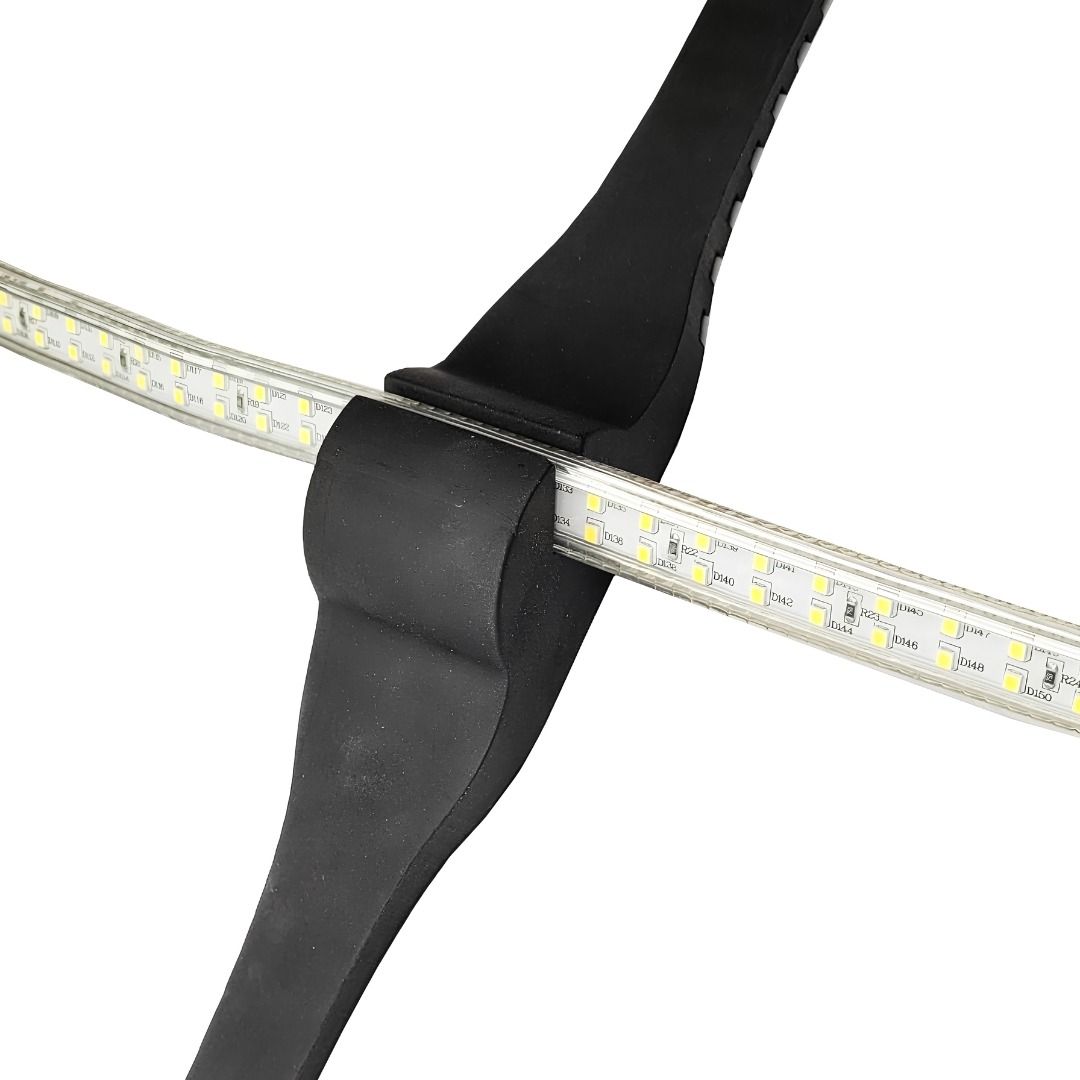
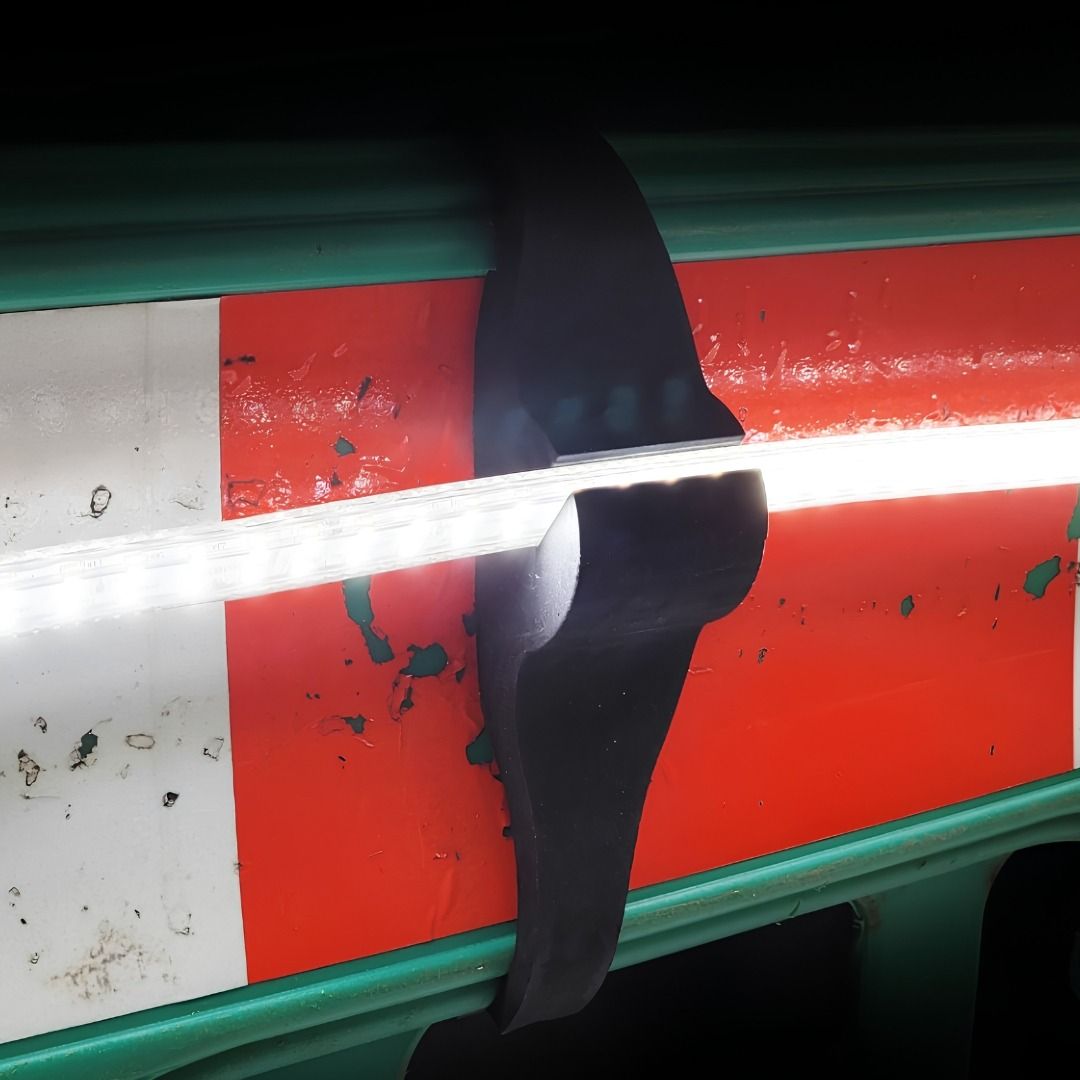
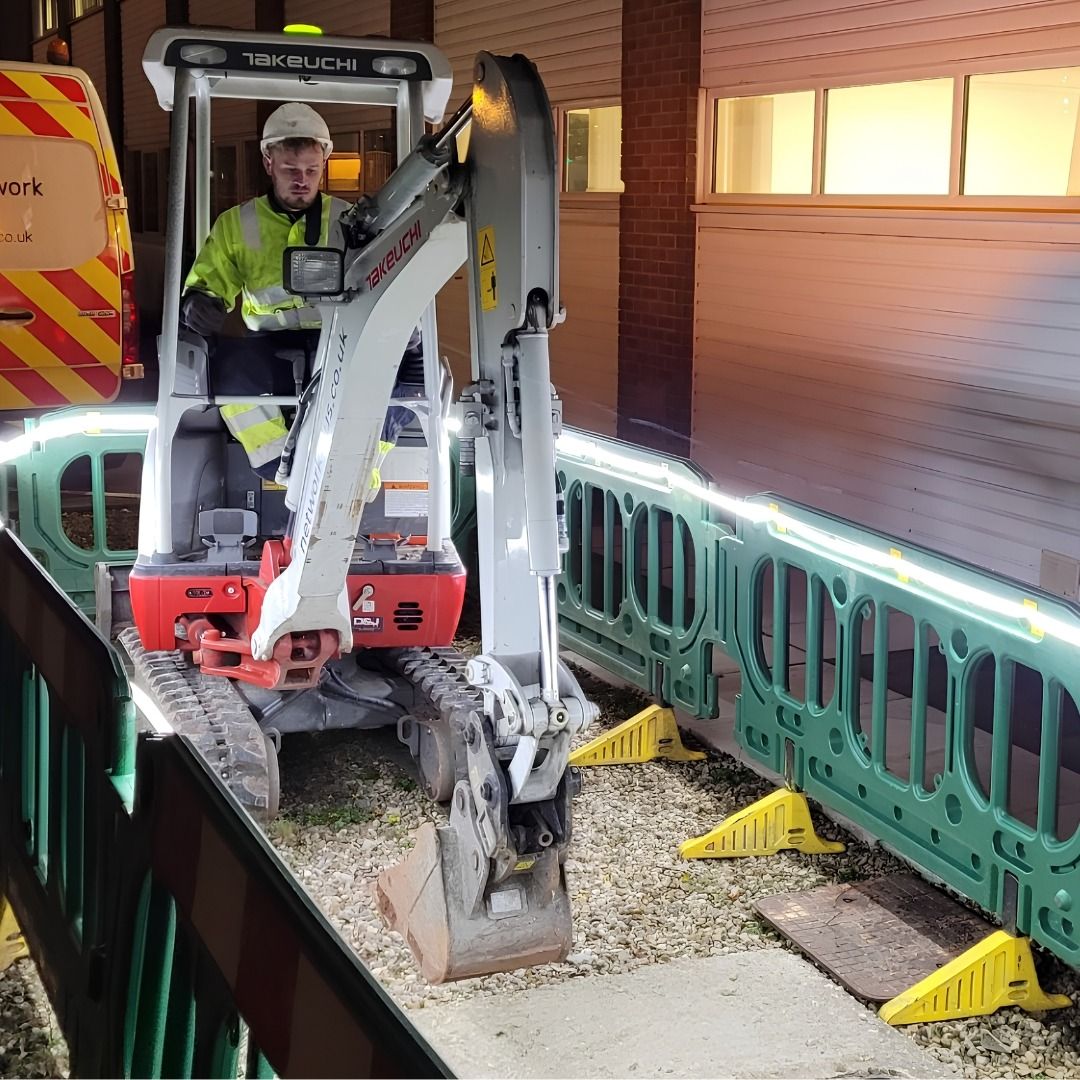
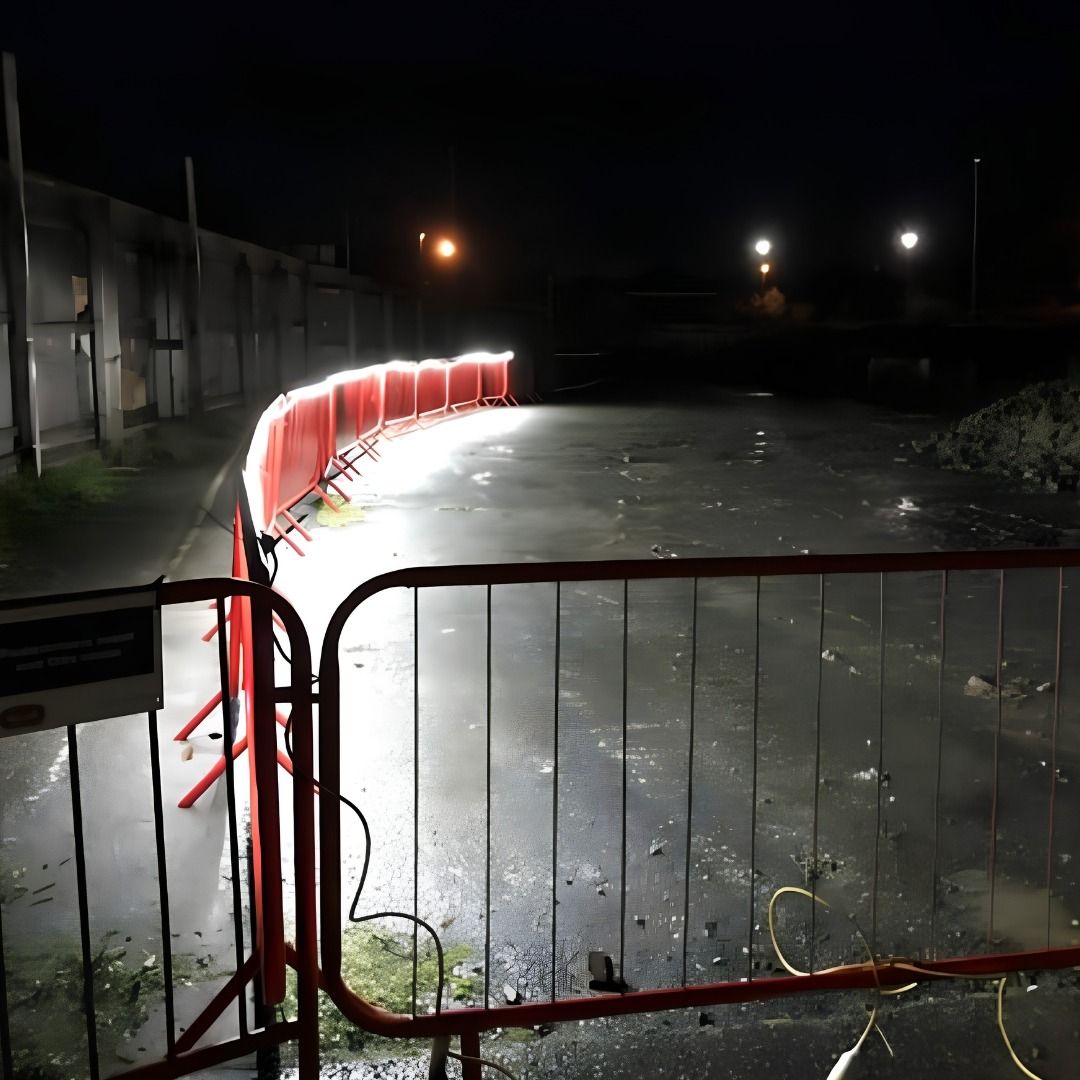
Rubber barrier strap for attaching UtilityLite LED lighting strips to construction site barriers, directing light downwards to illuminate the worksite.
Sturdy rubber construction for outdoor site durability
Ratchet-type strap for secure tool-free attachment
Angled channel directs LED strip downward onto the worksite
Fits most standard construction site barriers
Recommended 2-3 straps per barrier depending on length
Compatible with UtilityLite LED lighting strip range
UtilityLite Rubber Barrier Strap - Downward LED Strip Mount
Code
ELLEDBCLIP
In Stock
Rubber barrier strap for attaching UtilityLite LED lighting strips to construction site barriers, directing light downwards to illuminate the worksite.
Sturdy rubber construction for outdoor site durability
Ratchet-type strap for secure tool-free attachment
Angled channel directs LED strip downward onto the worksite
Fits most standard construction site barriers
Recommended 2-3 straps per barrier depending on length
Compatible with UtilityLite LED lighting strip range
Rubber barrier strap designed to hold the UtilityLite LED lighting strip to construction site barriers and direct the light downward onto the working area. Made from sturdy rubber with a ratchet-type mechanism, it grips standard site barriers securely without tools, adhesives, or fixing holes. Two to three straps per barrier provide full support along the strip run, depending on barrier length.
Why the downward angle matters for worksite illumination
A flat-mounted LED strip on a barrier face lights the reflective surface in front of it but does little for the ground-level working area or the footpath alongside. Workers and pedestrians moving along the barrier run are in shadow rather than in illuminated space, which is a genuine hazard on an active site at night. The angled channel in this strap holds the LED strip at a downward angle, directing light across the ground on the work side and the pedestrian side where visibility is actually needed.
Key Features
Angled LED channel: The integrated channel holds the UtilityLite LED strip at a downward angle so light reaches the worksite and pedestrian surface rather than projecting flat from the barrier face.
Sturdy rubber construction: Durable and weather-resistant for outdoor site conditions across all UK weather. The rubber body holds its shape and grip through sustained outdoor exposure.
Ratchet-type strap mechanism: Adjustable and secure. Wraps around the barrier and locks without tools, adhesives, or drilling.
Fits most standard construction site barriers: Designed to work across the range of barrier types used on UK construction, civils, and utilities sites.
No tools required: The ratchet strap self-locks onto the barrier. Installation and removal are quick and leave no damage to the barrier surface.
Who is this for
Trades and roles:
Site electricians
Site managers and foremen
Groundwork and civils contractors
Utilities and highways works teams
Traffic management operatives
Industries:
Construction and groundworks
Civil engineering and utilities
Highways and traffic management
Emergency works
Specifications
Specification
Detail
Product Name
UtilityLite Rubber Barrier Strap – Downward LED Strip Mount
SKU
ELLEDBCLIP
Material
Sturdy rubber
Colour
Black
Attachment Mechanism
Ratchet-type strap
LED Strip Channel
Angled, directs LED strip downward toward the worksite
Compatible LED Strip
UtilityLite LED Lighting Strip (ELLEDCBL range)
Barrier Compatibility
Fits most standard construction site barriers
Recommended Quantity
2–3 straps per barrier depending on barrier length
Tools Required
None
Compatibility
Application or condition
Status
UtilityLite LED Lighting Strip (ELLEDCBL range)
✓ Compatible – designed for this strip
Standard construction site barriers
✓ Suitable – fits most standard barrier types
Outdoor site use in all weather conditions
✓ Suitable – sturdy rubber construction
Temporary site lighting runs requiring no tools or fixings
✓ Suitable – ratchet strap, tool-free attachment
Directing LED strip output downward onto the worksite
✓ Suitable – angled LED channel as designed
Permanent fixed installation
✗ Not recommended – designed for temporary site use
Other LED strip brands or widths not confirmed compatible
✗ Confirm compatibility – designed for UtilityLite strips only
Who is this for
Site managers and electricians deploying UtilityLite LED lighting strips along construction barrier runs for night-time site illumination, pedestrian route marking, or Highways Act compliance lighting. The strap is an essential accessory for any UtilityLite LED strip installation on a barrier perimeter, ensuring the strip is held securely and directed at the correct angle throughout the barrier run.
Typical applications
Attaching UtilityLite LED strips to pedestrian barriers along construction site perimeters for night-time visibility.
Lighting the footpath alongside a hoarding or barrier run on a highway-adjacent construction site.
Marking temporary fencing along utilities works on road closures and diversions.
Providing ground-level illumination along barrier runs for early-start and late-finish site operations during winter.
Supporting Highways Act 1980 hoarding and barrier lighting compliance on urban construction sites alongside the battery-powered hoarding light (EL060004).
How to use
Step 1: Feed the UtilityLite LED strip through the angled channel on the strap. Confirm the LED faces downward in the channel before attaching to the barrier.
Step 2: Wrap the ratchet strap section around the barrier. Thread the strap through the ratchet mechanism and pull to tighten. Confirm the strap is seated firmly against the barrier face.
Step 3: Repeat at 2-3 intervals along each barrier section depending on the barrier length. Spacing closer on longer barriers prevents the strip sagging between straps.
Step 4: Connect the strip to the power supply and confirm correct operation before leaving the installation unattended.
Step 5: To remove, release the ratchet mechanism on each strap, withdraw the LED strip from the channel, and unwrap from the barrier.
Common mistakes
Using too few straps per barrier: one strap per barrier allows the LED strip to sag between the supported point and the barrier ends. Use 2-3 per barrier to keep the strip taut and correctly directed along the full length.
Installing the LED strip the wrong way in the channel: confirm the LEDs face downward before attaching the strap to the barrier. Reversing the strip direction after the strap is attached requires removal and reinstallation.
Assuming any LED strip will fit: these straps are designed for the UtilityLite LED strip range. Confirm compatibility before using with other strip products.
Safety
Confirm the LED strip is correctly seated and the light is facing downward before energising. Ensure the ratchet strap is fully locked on each barrier before leaving the installation. Do not over-tension the ratchet strap as this may damage the LED strip. On highway-adjacent barriers, ensure the LED strip power cable is safely routed away from the carriageway and secured against trip hazard at the ground.
Maintenance
Wipe rubber straps with a dry or damp cloth after use in muddy or contaminated environments. Inspect the ratchet mechanism before reuse to confirm it locks securely. Store in a dry location between deployments. Replace any strap where the rubber body shows cracking or where the ratchet no longer holds under tension.
Frequently Asked Questions
Q: Which LED strips are these straps designed for? A: These straps are designed specifically for the UtilityLite LED lighting strip range (ELLEDCBL). The angled channel is sized for the UtilityLite strip profile. Compatibility with other LED strip products has not been confirmed; confirm fit before purchasing for a different strip.
Q: How many straps do I need per barrier? A: Two to three straps per barrier, depending on barrier length. One strap per barrier allows the strip to sag in unsupported sections, which can alter the light angle and reduce coverage. Three straps on a longer barrier panel keep the strip taut and correctly directed along the full length.
Q: What types of construction barriers do these straps fit? A: The straps are designed to fit most standard construction site barrier types used across UK construction, civils, and utilities sites. The images on this page show them fitted to water-filled and standard metal barriers. If you are unsure whether these straps will fit a specific barrier type, contact the CMT Group sales team before ordering.
Q: Can I install these without tools? A: Yes. The ratchet-type strap wraps around the barrier and locks without tools, adhesives, or fixings of any kind. Installation and removal are both tool-free, which makes them practical for temporary barrier runs that are adjusted or moved during the project.
Q: Are these straps suitable for outdoor use? A: Yes. The sturdy rubber body is designed for outdoor site use in all weather conditions, including rain, mud, and dust exposure typical of UK construction sites.
Wrong site lighting costs money, creates safety risks, and fails compliance checks. This guide maps every construction site lighting need to the right product, from a 10W magnetic COB work light to an 84,000lm tower flood, with Highways Act and BS 5266 compliance covered throughout.