
MAXFR Buyer's Guide
Arc Flash Clothing: A UK Buyer's Guide to Ratings, Standards and Layering
Arc flash clothing protects workers from the intense heat released when an electric arc forms between conductors or to earth. It is not ordinary workwear with a new label. It is tested against the thermal energy of a real arc and carries a rating that should match the hazard on your site.
This guide explains how arc ratings work, which standards to look for on the label and how to build a complete outfit from base layer to outer layer. It is written for electrical contractors, utilities, rail teams and facilities managers buying arc-rated PPE in the UK.
In short
Choose arc flash clothing with an ELIM at or above the incident energy in your arc flash risk assessment. Make sure every layer is flame retardant or non-melting, and add arc-rated protection for the face, hands and feet. Clothing is the last line of defence, after isolation and safe systems of work.
In this guide
What Is Arc Flash Clothing?
An arc flash is a release of energy from an electrical fault through the air. It produces intense heat and light in a fraction of a second, along with pressure, noise and molten metal. Standard workwear can ignite or melt onto the skin, which turns a survivable event into a serious burn.
Arc flash clothing is made from flame retardant fabric that does not keep burning once the arc ends, and that blocks enough heat to reduce the chance of a burn. In the UK and Europe, garments are tested and certified to EN 61482-2. Most arc-rated garments also carry flame retardant and anti-static standards, because the same workers often face flash fire and static risks too.
When Do You Need Arc Flash Clothing?
The Electricity at Work Regulations 1989 put prevention first. Live work is only allowed where it is unreasonable for equipment to be dead, it is reasonable to work live and suitable precautions are in place. Where an arc risk remains, the Personal Protective Equipment at Work Regulations 1992, as amended in 2022, require employers to provide suitable PPE free of charge to the workers who need it.
The starting point is an arc flash risk assessment. For many installations this includes a calculation of the incident energy a worker could be exposed to at the working distance, measured in cal/cm2. That figure is what you match the clothing to. Common tasks that need arc-rated clothing include:
- Switching and isolation on low and high voltage switchgear.
- Testing, fault finding and inspection on live or potentially live equipment.
- Cable jointing and network maintenance for distribution network operators.
- Lineside electrical work and overhead line maintenance on the railway.
- Maintenance in substations, plant rooms and data centres.
How Arc Ratings Work
Arc-rated clothing is tested in two different ways. Each test gives a different kind of result, and a garment label may show both.
The open arc test: ELIM, ATPV and EBT
The open arc test (EN 61482-1-1) exposes fabric or garments to an arc and measures how much heat passes through. It gives results in cal/cm2:
- ELIM (incident energy limit): the incident energy at which no second-degree burn is predicted. Under EN 61482-2:2020 this is the main value on the label.
- ATPV (arc thermal performance value): the incident energy at which there is a 50% chance of a second-degree burn.
- EBT (energy breakopen threshold): the incident energy at which the fabric starts to break open. Some fabrics give EBT instead of ATPV.
Because ELIM marks the point with no predicted burn, it is typically lower than the ATPV for the same fabric. ELIM is the safer figure to plan with.
The box test: APC 1 and APC 2
The box test (EN 61482-1-2) exposes the fabric to a directed arc inside a box at one of two test currents. It gives a class rather than a number:
- APC 1: tested at 4 kA.
- APC 2: tested at 7 kA, for higher-energy risks.
Some garments have a box test class only, some have open arc values only, and many have both. If your risk assessment gives an incident energy in cal/cm2, you need an open arc value to compare against it.
Which figure should you plan with?
Use the ELIM. Match it to the incident energy in your risk assessment at the working distance for the task, and check the APC as well if the assessment specifies a box test class. Never add the ratings of two garments together to reach a target. A layered outfit only has a combined rating if the layers have been tested together.
The MAXFR range shows how ratings vary between garment types, from lightest to highest rated:
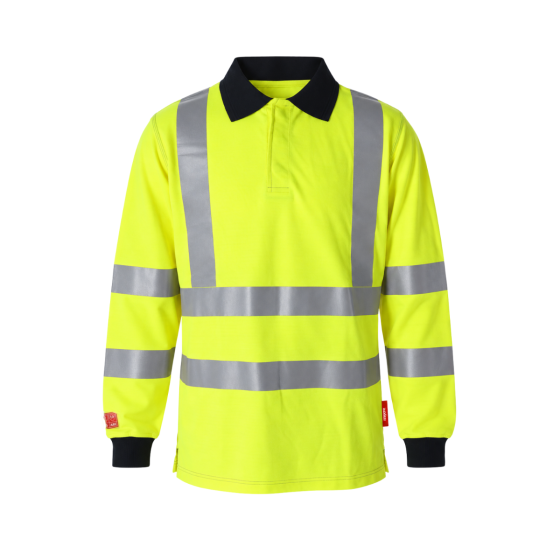
Product code: CL010006
| ELIM (cal/cm2) | 4.6 |
| ATPV (cal/cm2) | 5.7 |
| Box test | APC 1 |
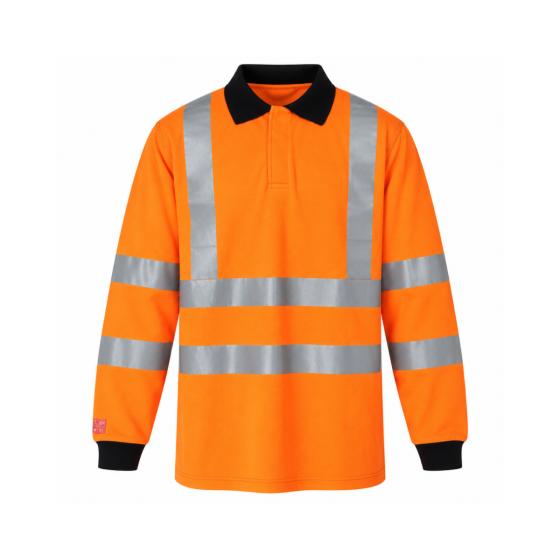
Product code: CL010001
| ELIM (cal/cm2) | 5.1 |
| ATPV (cal/cm2) | 5.9 |
| Box test | APC 1 |
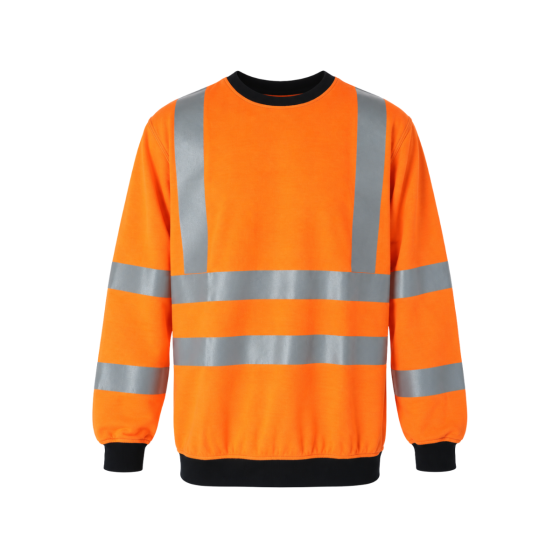
Product code: CL010005
| ELIM (cal/cm2) | 6.4 |
| ATPV (cal/cm2) | 6.8 |
| Box test | APC 1 |
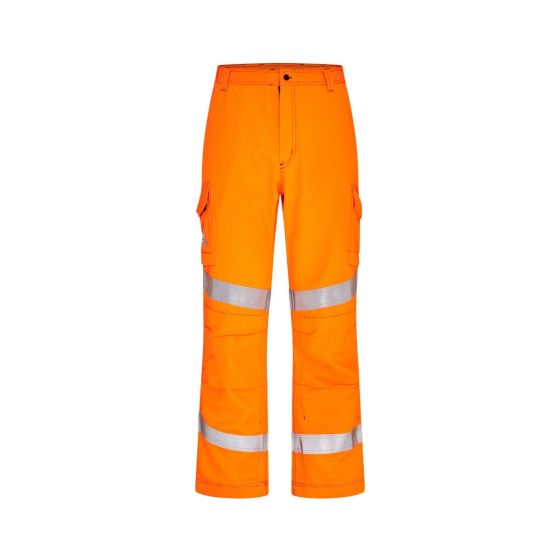
Product code: CL010010
| ELIM (cal/cm2) | 7.2 |
| ATPV (cal/cm2) | 8.3 |
| Box test | APC 1 |
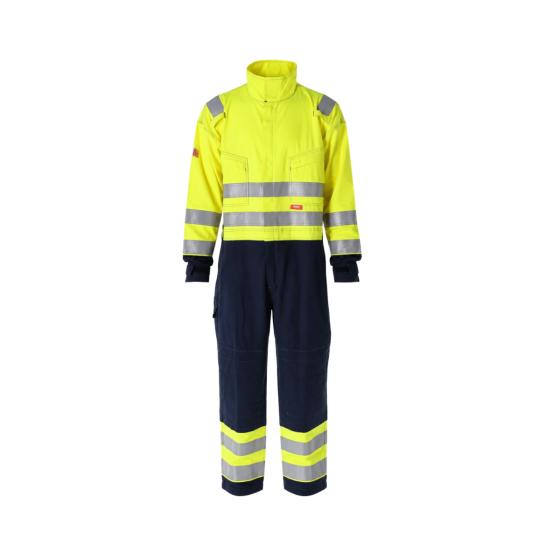
Product code: CL010004
| ELIM (cal/cm2) | 8.8 |
| ATPV (cal/cm2) | 9.2 |
| Box test | Not stated |
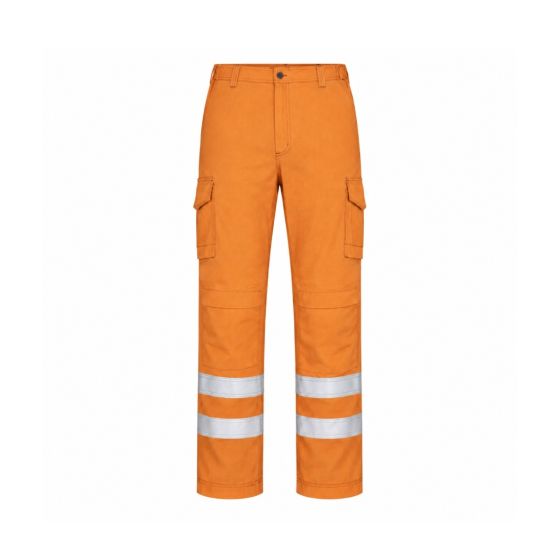
Product code: CL010002
| ELIM (cal/cm2) | 9 |
| ATPV (cal/cm2) | 9.7 |
| Box test | Not stated |
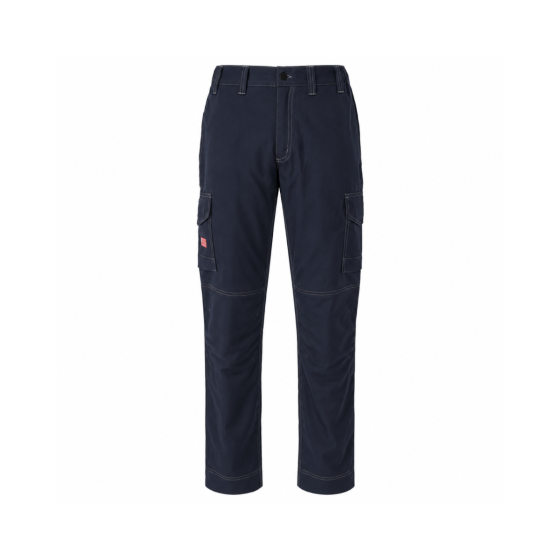
Product code: CL010003
| ELIM (cal/cm2) | 9.5 |
| ATPV (cal/cm2) | 10 |
| Box test | APC 1 |
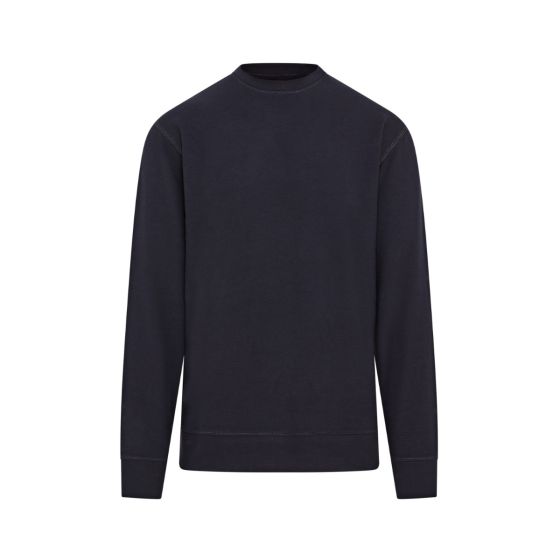
Product code: CL010009
| ELIM (cal/cm2) | 11 |
| ATPV (cal/cm2) | 13 |
| Box test | APC 1 |
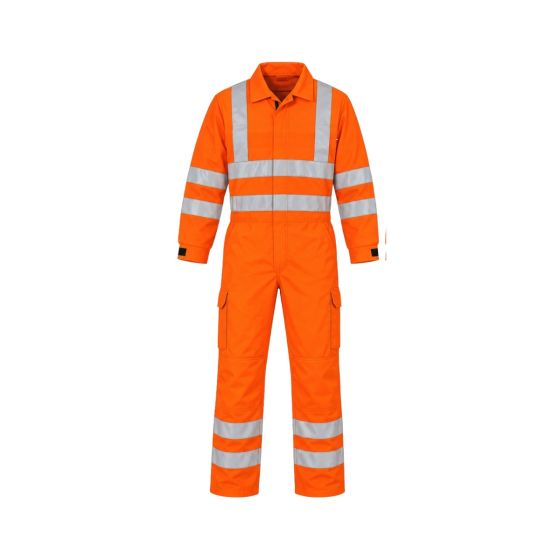
Product code: HVAFROC
| ELIM (cal/cm2) | Not stated |
| ATPV (cal/cm2) | Not stated |
| Box test | APC 1 |
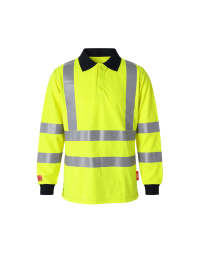
Lighter garments such as polo shirts have lower ratings, while heavier sweatshirts, trousers and coveralls rate higher. That is why the whole outfit matters, not just one garment.
The Standards on an Arc Flash Garment Label
Most arc-rated garments carry several standards, each covering a different hazard.
| Standard | What it covers | What to look for |
|---|---|---|
| EN 61482-2:2020 | Protection against the thermal hazards of an electric arc | ELIM, plus ATPV or EBT, from the open arc test; APC class from the box test |
| EN ISO 11612:2015 | Protection against heat and flame | Codes A1 and A2 (flame spread), B (convective heat), C (radiant heat), D and E (molten metal splash), F (contact heat) |
| EN 1149-5:2018 | Electrostatic properties | Dissipates static when the wearer is earthed |
| EN ISO 11611:2015 | Welding and allied processes | Class 1 for lower-spatter work, Class 2 for heavier welding |
| EN ISO 20471 | High-visibility clothing | Class 1, 2 or 3, with Class 3 the most visible |
| RIS-3279-TOM | Hi-vis clothing on or near the GB railway | Rail orange and visibility requirements |
| EN ISO 13688 | General requirements for protective clothing | Sizing, marking and ergonomics |
Important: EN 61482-2 covers the thermal effects of an arc only. It does not cover electric shock, and it does not cover the face, head, hands or feet, which need their own arc-rated or insulating PPE.
Inherent vs Treated FR Fabric
Flame retardant fabrics fall into two groups. Inherent FR fabrics are made from fibres that resist flame by their nature, so the protection is part of the fibre. Treated FR fabrics get their flame resistance from a finish applied to the cloth.
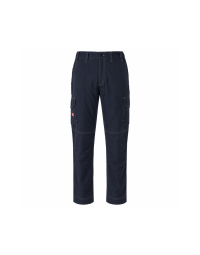
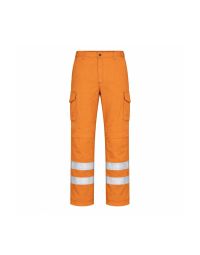
Both can meet the same standards and carry similar ratings. The practical difference is care. Follow the label closely, avoid bleach and soap-based products, and keep garments clean, because contamination can reduce protection on any FR fabric. The MAXFR range includes inherent FR cargo trousers and treated FR trousers, so buyers can choose by task.
Layering: Building a Complete Arc Flash Outfit
An arc flash outfit is only as strong as its weakest layer. A single non-FR garment can ignite or melt and cause burns even when the rest of the outfit is rated.
Base layer
Wear FR or natural-fibre base layers, such as cotton or wool. Avoid polyester, nylon and other synthetics that can melt onto the skin if the outer layer is breached.
Mid and outer layers
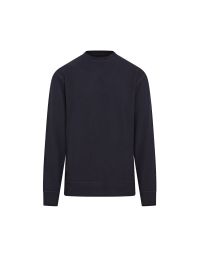
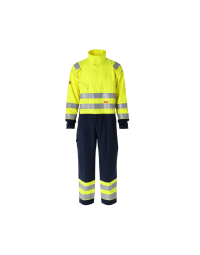
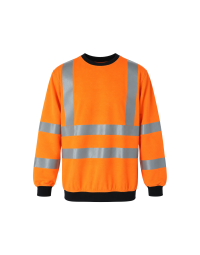
Choose arc-rated tops and trousers, or a one-piece coverall, with an ELIM that covers the assessed incident energy. In colder weather, add an arc-rated sweatshirt or jacket over an FR polo shirt rather than a standard fleece. A coverall also closes the gap that can open at the waist between a top and trousers.
Face, hands and feet
Arc-rated clothing does not protect the face, head, hands or feet. Add an arc-rated face shield or hood, suitable gloves and safety footwear. Anti-static garments only work as intended when the wearer is earthed, usually through anti-static footwear.
What not to wear
Never wear a non-FR hi-vis vest, fleece or jacket over arc-rated clothing. Avoid non-FR badges, patches and prints, and keep jewellery and metal items away from live equipment.
Hi-Vis and Rail: When Arc Flash Clothing Must Also Be Seen
Many electrical tasks happen near traffic, plant or the railway, so visibility matters as much as arc protection. Hi-vis arc flash clothing combines both, using flame retardant fluorescent fabric and reflective tape.
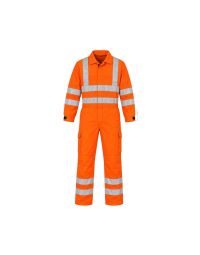
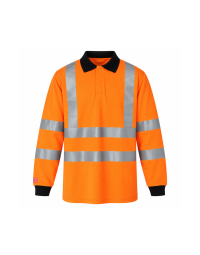
On the GB railway, clothing worn on or near the line must meet RIS-3279-TOM, which sets the orange colour and visibility requirements. For rail work, look for garments that meet RIS-3279-TOM as well as EN 61482-2, such as the MAXFR rail spec sweatshirt, rail spec polo shirt and rail spec coverall. Away from the railway, hi-vis yellow or two-tone yellow and navy garments suit sites and plant areas. Always check whether your site specifies a hi-vis class.
Fit, Care and Replacement
Arc-rated clothing should fit closely enough to stay in place, with room for layers and movement. Sleeves should reach the wrists and trouser legs should sit over the boots. Garments that ride up leave skin exposed at the moment it matters.
Care affects protection. Wash FR clothing to the care label, usually at up to 40 degrees C, inside out and separately from ordinary clothing. Avoid bleach and soap-based products. Some garments have a maximum number of wash cycles, so keep a record. Replace garments that are torn, burnt, heavily contaminated or faded, and replace any garment that has been exposed to an arc.
Common Mistakes When Buying Arc Flash Clothing
- Choosing by ATPV alone when the risk assessment should be matched to ELIM.
- Adding the ratings of two layers together without combined test data.
- Buying arc-rated outer layers but wearing synthetic base layers underneath.
- Wearing a standard hi-vis vest or fleece over FR clothing in winter.
- Forgetting face, hand and foot protection, which EN 61482-2 does not cover.
- Wearing hi-vis yellow garments on the railway, where rail orange is required.
Choosing Arc Flash Clothing: A Quick Checklist
- 1Step 1: Get the incident energy, and any APC requirement, from your arc flash risk assessment.
- 2Step 2: Choose garments with an ELIM at or above that incident energy.
- 3Step 3: Check the other hazards on site, such as flame, static, welding, traffic or rail.
- 4Step 4: Plan every layer, from base layer to outer layer, so nothing can melt or ignite.
- 5Step 5: Add arc-rated protection for the face, hands and feet.
- 6Step 6: Size garments for movement and layering, and set up a care and replacement routine.
Frequently Asked Questions
Select a question to see the answer.
Shop MAXFR Arc Flash Clothing
MAXFR is CMT Group's own range of flame retardant, anti-static and arc flash clothing, with sweatshirts, polo shirts, trousers and coveralls in hi-vis orange, hi-vis yellow and navy. Each product page lists its standards and arc rating. Browse the MAXFR range or call our team on 020 8311 1144.
Browse the full MAXFR range
Flame retardant, anti-static and arc flash sweatshirts, polo shirts, trousers and coveralls in hi-vis orange, hi-vis yellow and navy.
Shop MAXFR at CMT Group