A practical guide to water safety equipment for UK sites. It covers the law on drowning risk, how to choose between manual and automatic lifejackets, and how to build a complete lifebuoy point. A four-step kit builder suggests the lifejackets and lifebuoy sets your site needs.
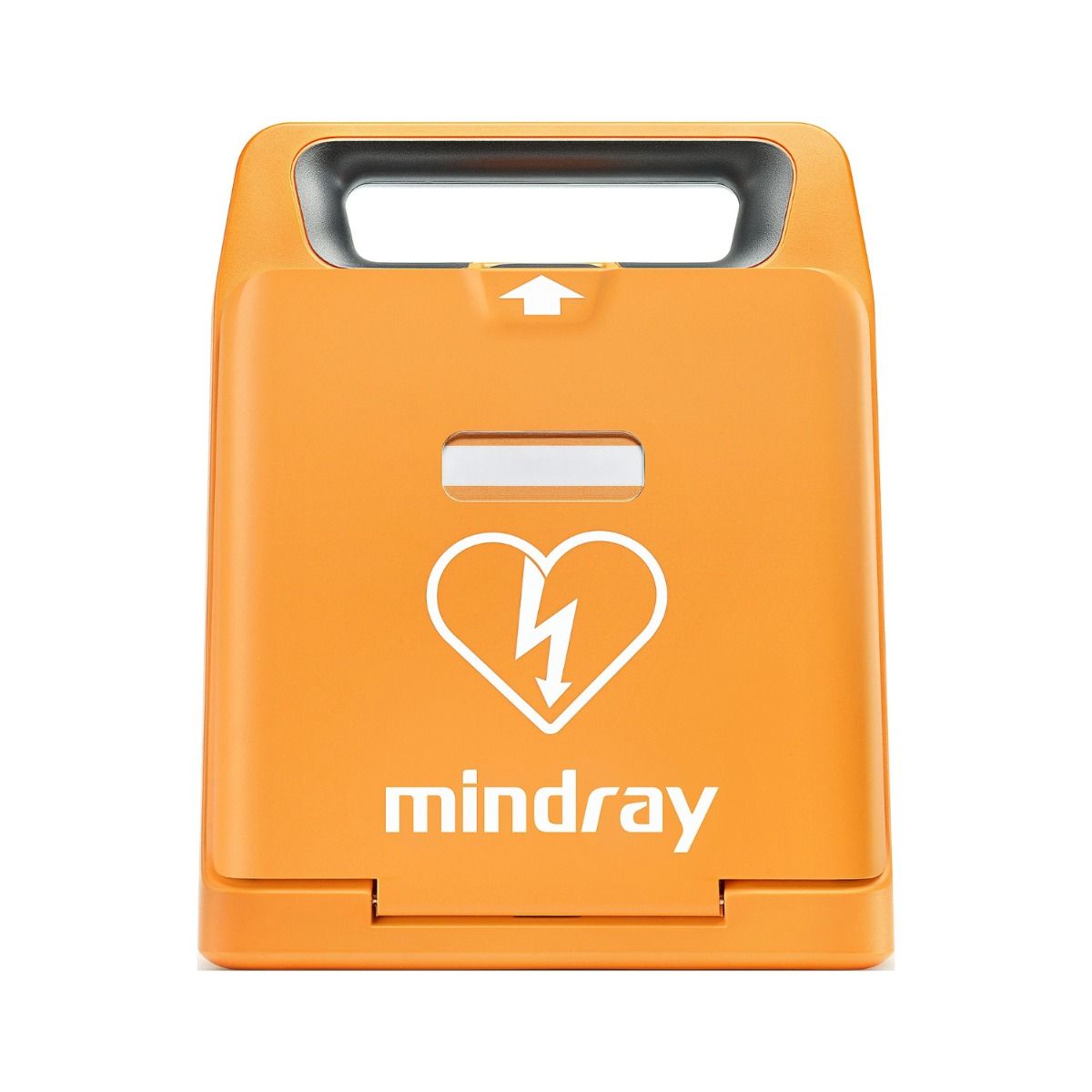
AED defibrillator that delivers the shock fully automatically, with voice-guided CPR, for workplaces, schools, sites and public spaces where anyone may need to respond.
- Fully automatic, no shock button
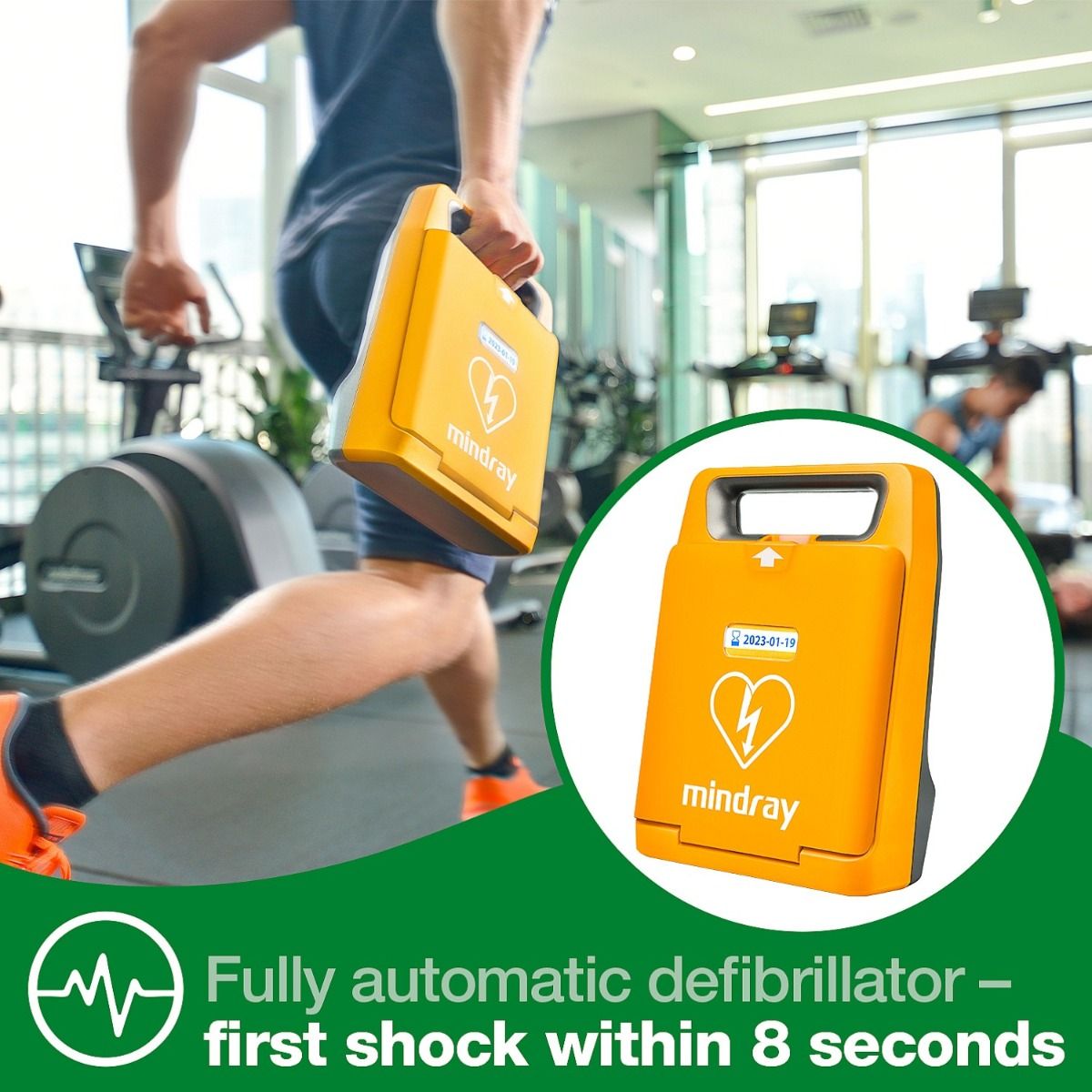
- First shock under 8 seconds from switch-on
- Voice prompts and CPR metronome
- Adult and child mode switch
- IP55 rated, 1.5m drop tested
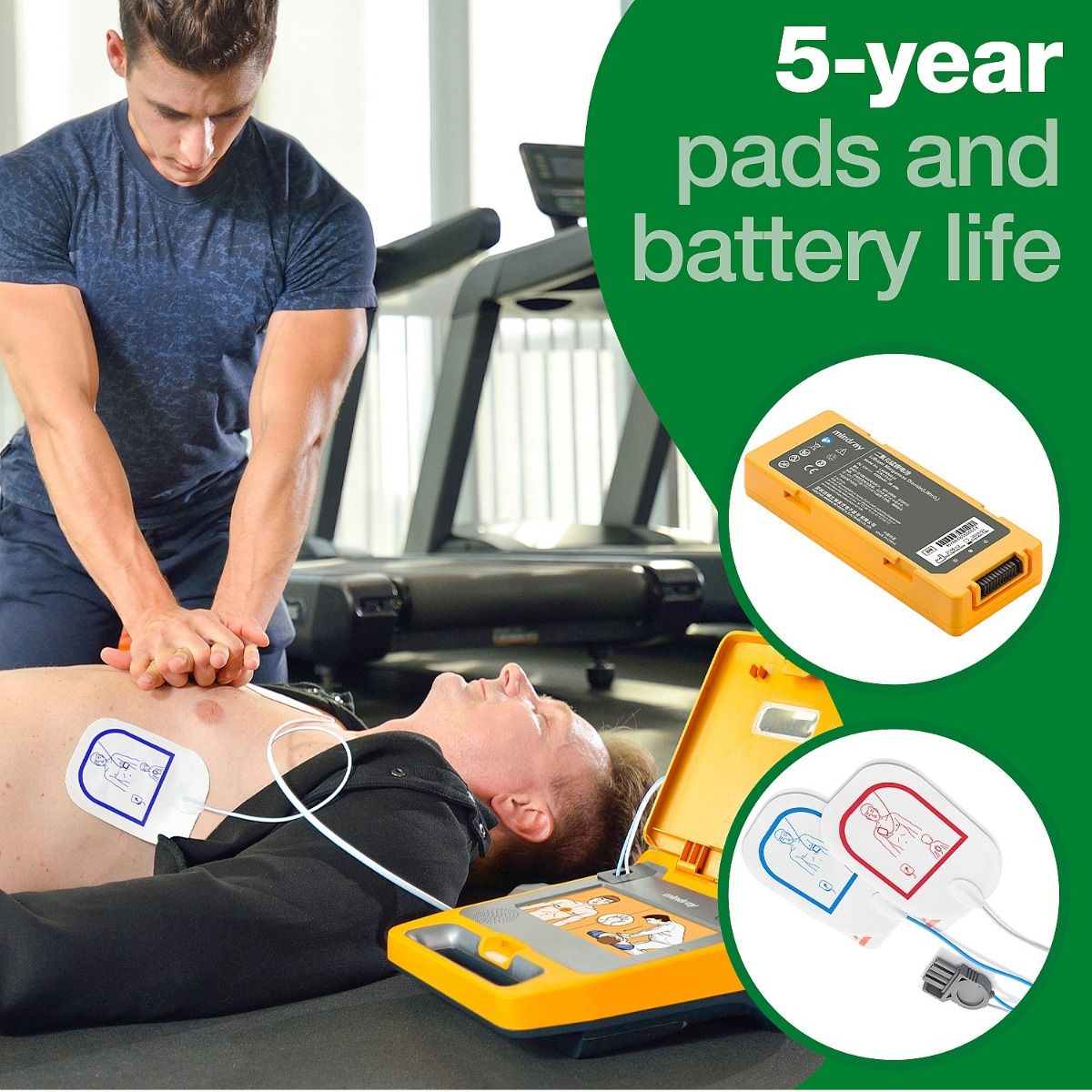
- Up to 6-year battery standby
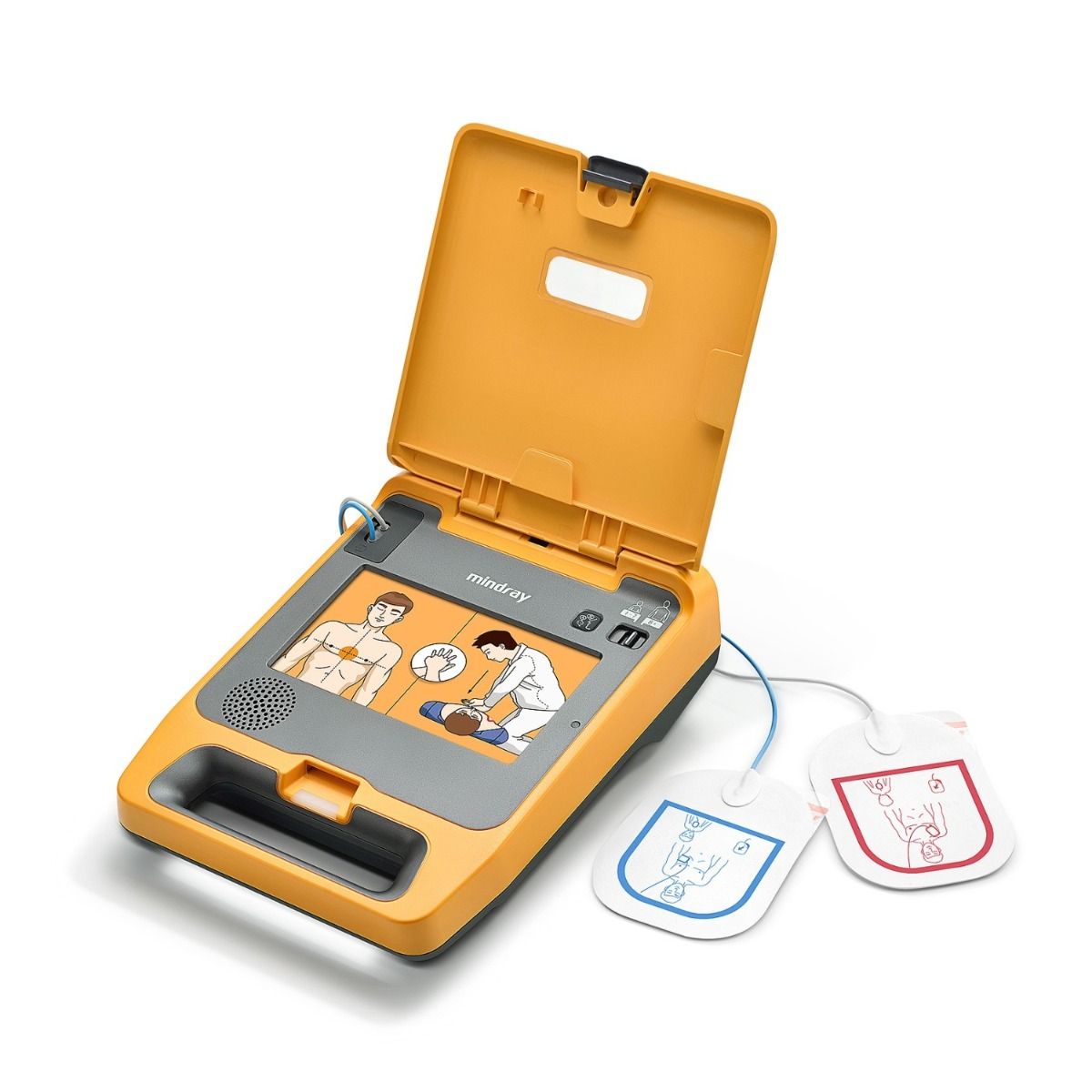
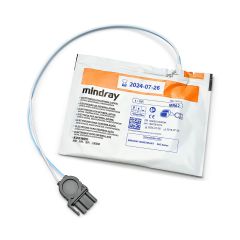
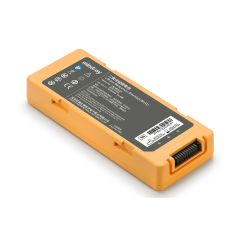
- Supplied with battery and electrode pads
AED Defibrillator - Fully Automatic
AED defibrillator that delivers the shock fully automatically, with voice-guided CPR, for workplaces, schools, sites and public spaces where anyone may need to respond.
- Fully automatic, no shock button
- First shock under 8 seconds from switch-on
- Voice prompts and CPR metronome
- Adult and child mode switch
- IP55 rated, 1.5m drop tested
- Up to 6-year battery standby
- Supplied with battery and electrode pads
- Buy 3 for £1,258.80 £1,049.00 each and save 4%
- Buy 6 for £1,197.60 £998.00 each and save 9%
| BULK DISCOUNT | 3 | 6 |
|---|---|---|
| Price | £1,049.00 £1,258.80 | £998.00 £1,197.60 |
Order 1x to earn 1098 FASTPoints
Order to earn 1098 FASTPoints
Log in to access trade discountsAED Defibrillator - Fully Automatic With Voice-Guided CPR
An AED defibrillator is a portable device that checks the heart rhythm of someone in cardiac arrest and gives an electric shock if one is needed. This fully automatic model delivers the shock by itself, so the rescuer never has to press a button. Voice prompts and an audio CPR metronome guide anyone through each step, with or without training.
How Fully Automatic Shock Delivery Removes Hesitation
With a semi-automatic AED, the rescuer must press the shock button when told to. Untrained people often freeze at that moment, worried about doing harm, and every second without a shock lowers the chance of survival. A fully automatic AED makes that decision itself, so the rescuer only has to fit the pads and follow the voice.
Key Features
-
Fully automatic shock: the device delivers the shock itself, with no button to press.
-
QShock first shock: under 8 seconds from switch-on, not counting pad placement.
-
5-second rhythm analysis: runs at the same time as charging, to cut delay.
-
Voice prompts and CPR metronome: talks the rescuer through each step and sets the pace of compressions.
-
Adult and child switch: one device covers adult and child casualties.
-
IP55 and 1.5m drop tested: works in the rain and survives being dropped on site.
-
Up to 6-year battery standby: with weekly self-tests, so fewer replacements.
Who is this for
Trades and roles
-
Health and safety managers
-
Facilities managers
-
Site managers
-
First aiders and appointed persons
-
School business managers
-
Gym and leisure centre managers
Industries
-
Construction and civil engineering
-
Offices and commercial buildings
-
Education
-
Sport, leisure and hospitality
-
Retail and public venues
-
Manufacturing and warehousing
Specifications
| Specification | Detail |
|---|---|
| Product name | AED Defibrillator - Fully Automatic |
| Product code | HS040009 |
| Product type | Automated external defibrillator (AED), fully automatic |
| Shock delivery | Fully automatic, no shock button to press |
| Time to first shock | Under 8 seconds from switch-on, not including pad placement (QShock) |
| Heart rhythm analysis | 5 seconds, run at the same time as charging |
| CPR guidance | Adaptive voice prompts, continuous audio coaching with CPR metronome |
| Patient modes | Adult and child, selected by a switch |
| Ingress protection | IP55 |
| Drop test | 1.5m on all sides |
| Battery standby life | 6 years with weekly self-tests, 5 years with daily self-tests (at 20 degrees Celsius plus or minus 5, not in use, not sending self-test reports) |
| Electrode pad life | 5 years |
| Dimensions | 210mm x 286mm x 78mm |
| Weight | 2.0kg including battery |
| Warranty | 8 years |
| Brand | Mindray |
| Model | BeneHeart C1A, fully automatic version |
| Colour | Orange |
Compatibility
| Location, user or condition | Suitability |
|---|---|
| Offices, workplaces and construction sites | Suitable |
| Schools, gyms, sports clubs and public spaces | Suitable |
| Untrained rescuers | Suitable, voice prompts guide each step and the shock is delivered automatically |
| Child casualties | Suitable, set the adult and child switch to child mode |
| Use in the rain | Suitable, IP55 rated against dust and water jets |
| Submersion in water | Not recommended, the unit is not waterproof |
| Rescuers who want to press the shock button themselves | Not recommended, choose a semi-automatic AED |
| Outdoor wall mounting without protection | Not recommended, use a defibrillator cabinet |
Typical Users and Projects
Employers place AEDs where a cardiac arrest could happen far from an ambulance, such as large sites, offices, schools and venues. A fully automatic model suits places where the first person to reach a casualty may have no first aid training. Trained first aiders use it too, and it supports their CPR with an audio metronome.
Typical applications
-
Providing a defibrillator at the main first aid point on a construction site.
-
Placing an AED in office receptions, canteens and shared buildings.
-
Equipping schools, colleges and sports halls.
-
Keeping a defibrillator at gyms, leisure centres and sports clubs.
-
Covering public venues, shops and customer-facing workplaces.
How to use
Step 1: Call 999, or ask someone else to, and send for the AED.
Step 2: Open the AED, switch it on and follow the voice prompts.
Step 3: Set the switch to child mode if the casualty is a child.
Step 4: Fit the pads to the bare chest, as shown in the pictures.
Step 5: Stand clear while the AED checks the heart rhythm and delivers a shock if needed.
Step 6: Start CPR when told, following the metronome, and keep going until help arrives.
Common mistakes
-
Delaying CPR while waiting for the AED to arrive.
-
Touching the casualty while the AED analyses or shocks.
-
Forgetting to set child mode for a child casualty.
-
Locking the AED away where nobody can reach it quickly.
-
Not registering the AED, so 999 call handlers cannot direct people to it.
Safety
Always call 999 for a cardiac arrest. Make sure nobody touches the casualty during analysis or shock. Remove the casualty from standing water before use. Register the AED on The Circuit, the British Heart Foundation’s national defibrillator network, so ambulance services know where it is.
Maintenance
The AED runs automatic self-tests. Check the status window regularly, and replace the battery and pads before their expiry dates. Replace the pads after every use.
Frequently Asked Questions
Q: What is the difference between a fully automatic and a semi-automatic defibrillator?
A: A fully automatic AED delivers the shock by itself once it detects a shockable heart rhythm. A semi-automatic AED tells the rescuer to press a shock button. Fully automatic models suit places where untrained people may be the first to respond.
Q: What does under 8 seconds to first shock mean?
A: It is the time from switching the AED on to delivering the first shock, using QShock technology. It does not include the time taken to fit the pads. The 5-second heart rhythm analysis runs while the unit charges, which shortens the wait.
Q: What does IP55 mean on a defibrillator?
A: IP stands for ingress protection. The first 5 means the unit is protected against dust getting in and affecting how it works. The second 5 means it is protected against water jets from any direction, so it can be used in the rain. It is not waterproof and must not be submerged.
Q: What is this defibrillator not suitable for?
A: It does not suit rescuers or clinical teams who want to choose when to press the shock button themselves. It must not be submerged in water. Outdoors, it should be kept in a defibrillator cabinet.
Q: Can someone with no training use it?
A: The AED is designed to be used by anyone, as the voice prompts guide each step and the shock is delivered automatically. Training still builds confidence, so many workplaces train first aiders in CPR and AED use.
Q: Can it be used on children?
A: The adult and child switch adjusts the AED for child casualties. Set the switch before fitting the pads, and follow the voice prompts.
Q: Does a workplace legally need a defibrillator?
A: UK law does not require most workplaces to have a defibrillator. Many employers include one after their first aid needs assessment, especially on large sites and in public buildings. Once in place, register it on The Circuit so 999 call handlers can direct people to it.
Q: How often do the battery and pads need replacing?
A: The battery lasts up to 6 years on standby with weekly self-tests, or 5 years with daily self-tests. The pads have a 5-year life and must be replaced after every use. The AED comes with an 8-year warranty.