Defibrillator Buying Guide
Workplace Defibrillators: Choosing, Placing and Maintaining an AED
When someone has a cardiac arrest, the first few minutes decide the outcome. A defibrillator on site means bystanders can act before the ambulance arrives. This guide explains what an AED does, whether your workplace needs one, how to choose and place it, and how to keep it ready.
The Quick Answer
Most UK workplaces are not legally required to have a defibrillator. Many add one after their first aid needs assessment, especially large sites, busy offices, schools, gyms and public buildings.
If untrained people might respond, choose a fully automatic AED. It delivers the shock itself, so nobody has to decide when to press a button.
Place it where it can be reached quickly, sign it clearly and register it on The Circuit, the British Heart Foundation's national defibrillator network.
Keep it ready by checking the status indicator and replacing pads and battery before they expire, and pads after every use.
What an AED Does
An AED, or automated external defibrillator, is a portable device that checks the heart rhythm of someone in cardiac arrest. If it finds a shockable rhythm, it gives an electric shock to help the heart restart in a normal rhythm. Voice prompts guide the rescuer through every step.
CPR keeps blood flowing to the brain, but it cannot correct a shockable heart rhythm. That needs a defibrillator. The sooner both happen, the better the chance of survival.
Does My Workplace Need a Defibrillator?
UK law does not require most workplaces to have a defibrillator. The Health and Safety (First Aid) Regulations 1981 require employers to provide adequate and appropriate first aid, based on a first aid needs assessment. Many employers decide an AED is part of that.
| An AED is worth considering if | Why |
|---|---|
| Many people work or visit the site | More people means a greater chance of a cardiac arrest on site. |
| The site is large, remote or hard to reach | Ambulances take longer to reach people far from the entrance or road. |
| Work is physically demanding or high stress | Construction, manual handling and shift work bring higher physical demands. |
| The public visit, such as shops, gyms, schools and venues | Visitors may include people with heart conditions you do not know about. |
| Your clients or site rules ask about one | Check contracts and principal contractor site rules before work starts. |
For first aid needs assessments, see HSE's first aid at work pages.
Fully Automatic or Semi-Automatic?
Both types analyse the heart and decide whether a shock is needed. The difference is who delivers it.
| Question | Fully automatic AED | Semi-automatic AED |
|---|---|---|
| Who delivers the shock? | The AED, after warning everyone to stand clear | The rescuer, by pressing the shock button when told |
| Best for | Workplaces and public spaces where untrained people may respond | Trained responders who want control of the shock |
| Main advantage | Removes hesitation at the moment of the shock | The rescuer chooses exactly when the shock is given |
| Things to watch | Everyone must keep clear when the AED warns | Untrained rescuers may freeze before pressing the button |
AED Finder
Build your AED set-up in four steps
A starting point to check against your needs assessment
Our AED and Accessories
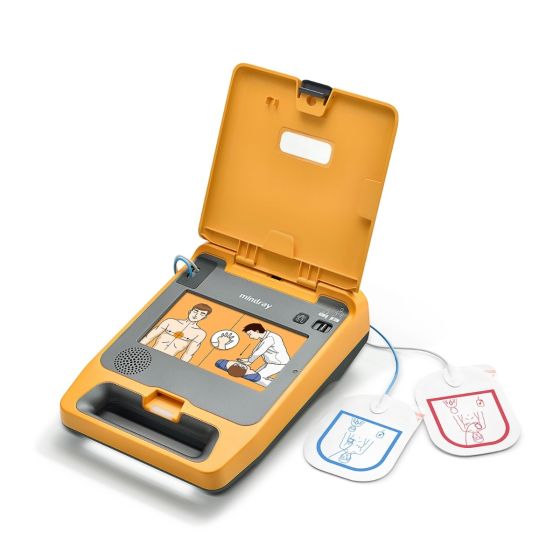
AED Defibrillator - Fully Automatic
- First shock under 8 seconds from switch-on
- Voice prompts and CPR metronome
- Adult and child mode, IP55 rated
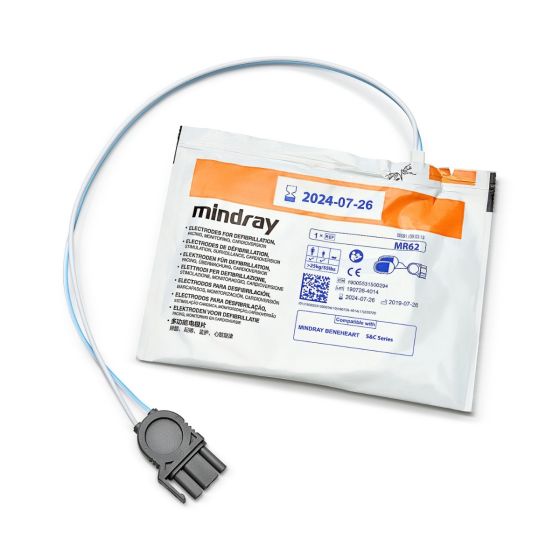
Replacement Defibrillator Pads - Adult and Paediatric
- One pair for adults and children
- Pre-connected and pre-gelled
- Up to 5-year shelf life
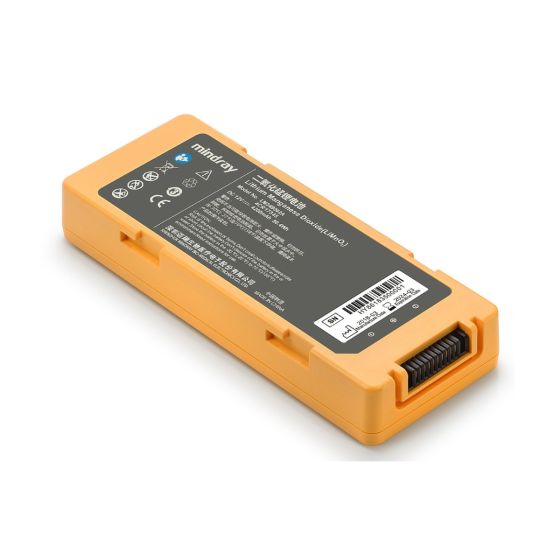
Replacement Defibrillator Battery - 12V 4200mAh
- Up to 400 shocks at 200J
- Up to 6-year standby
- Non-rechargeable lithium
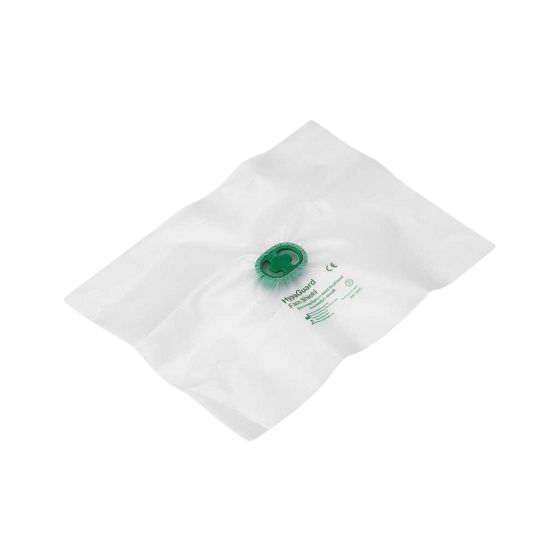
CPR Face Shield - With One-Way Valve
- Barrier for rescue breaths
- Single use
- Small enough to keep with the AED
The pads and battery fit Mindray BeneHeart C1A and C2 AEDs, including our fully automatic AED. For serious bleeding, keep a Critical Injury Bleed Control Kit at the same emergency point.
Where to Place an AED
An AED is only useful if someone can fetch it and get back to the casualty within a few minutes. Plan where it goes before you buy.
Central and visible
Reception, canteens, welfare units and main corridors, where people pass every day.
Quick to reach
On a large site, fit more than one AED, so nobody is far from one.
Never locked away
Avoid offices that lock at night. Keep access open whenever people are on site.
Protected outdoors
Outside, keep the AED in a defibrillator cabinet to protect it from weather and damage.
Clearly signed
Use a green AED sign, and tell staff and visitors where it is.
Next to first aid
Keep a CPR face shield and the main first aid kit close by.
How to Use an AED
You cannot shock someone who does not need it. The AED only advises or gives a shock if it detects a shockable heart rhythm. If no shock is needed, it tells you to continue CPR.
Keeping Your AED Ready
AEDs run their own self-tests, but pads and batteries still have expiry dates. Expired pads, a flat battery or a unit nobody has checked can leave an AED unable to help.
| Item | Life on our AED | Replace when |
|---|---|---|
| Electrode pads | Up to 5 years from manufacture | After every use, or before the expiry date on the pack |
| Battery | Up to 6 years with weekly self-tests, or 5 years with daily self-tests | Before the expiry date, or when the AED warns. The warning appears with at least 10 shocks or 30 minutes of use left. |
| CPR face shield | Single use | After every use, or if the packaging is damaged |
Replacement date planner
For our AED, pads and battery. Always check the dates printed on the packs.
Weekly glance
Check the status indicator shows the AED is ready.
Monthly check
Check pad and battery dates, the face shield and the cabinet.
Name a guardian
One person owns the AED checks and orders replacements.
After every use
Replace the pads and face shield, and record the incident in your accident book.
Register Your AED on The Circuit
The Circuit is the British Heart Foundation's national defibrillator network. It links defibrillators to NHS ambulance services. When someone calls 999 about a cardiac arrest, the call handler can tell them where the nearest registered AED is.
- Register each AED with its exact location and access details.
- Keep the record up to date when pads or batteries are replaced.
- Update it if the AED moves or is out of action.
Register at The Circuit website.
Frequently Asked Questions
Is a defibrillator a legal requirement at work?
UK law does not require most workplaces to have one. Employers must provide adequate first aid based on a first aid needs assessment, and many decide an AED is part of that, especially on large sites and in public buildings.
Can anyone use a defibrillator?
AEDs are designed for anyone to use. Voice prompts guide each step, and the 999 call handler can help too. Training still builds confidence, so many workplaces train first aiders in CPR and AED use.
What is the difference between a fully automatic and a semi-automatic AED?
A fully automatic AED delivers the shock itself once it detects a shockable rhythm. A semi-automatic AED tells the rescuer to press a shock button. Fully automatic models suit places where untrained people may respond first.
Can an AED be used on a child?
Many AEDs have a child mode. On our AED, one pair of pads covers adults and children, and a switch sets child mode, marked 1 to 7 for children and 8+ for adults.
Can a defibrillator be used in the rain?
Our AED is IP55 rated, which means it is protected against dust and against water jets from any direction. It can be used in the rain, but it must not be submerged. Move the casualty out of standing water first.
How often do defibrillator pads and batteries need replacing?
On our AED, pads last up to 5 years and must be replaced after every use. The battery lasts up to 6 years with weekly self-tests, or 5 years with daily self-tests. Always go by the dates on the packs.
What should I budget for besides the AED?
Plan for replacement pads and a battery over the AED's life, an outdoor cabinet if it will be kept outside, signage and a CPR face shield. Many workplaces also budget for CPR and AED training.
Where should a workplace defibrillator be kept?
Somewhere central, visible and never locked, such as reception or a canteen. On large sites, fit more than one so nobody is far from an AED. Outdoors, use a defibrillator cabinet.
What is The Circuit?
The Circuit is the British Heart Foundation's national defibrillator network. Registering your AED lets 999 call handlers direct people to it during a cardiac arrest.
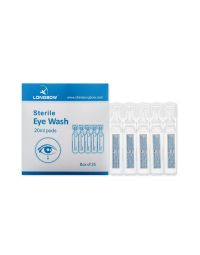
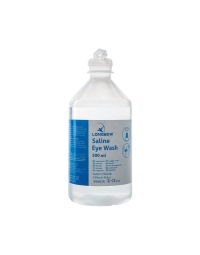
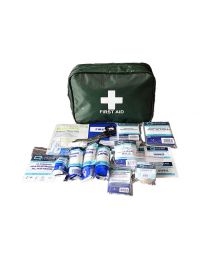
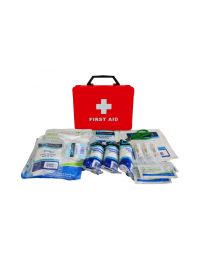
For first aid kits and eye wash, see our guides Which Workplace First Aid Kit Do You Need? and Eye Wash Stations, Pods and Bottles.
This guide gives general information on workplace defibrillators. It is not a substitute for first aid training or your own first aid needs assessment.