



How to Choose the Right Site Lighting for UK Construction
Compare task and area lighting, available power, exposure, mounting and emergency requirements, then plan the right lighting for each site zone.
Choose by application →Shop construction site lighting for UK projects, including 110V and rechargeable work lights, festoon lighting, scaffold lights, torches and accessories.
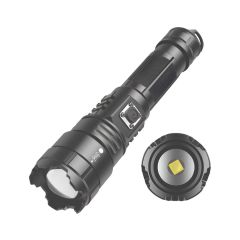
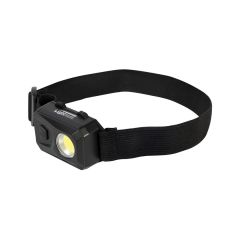
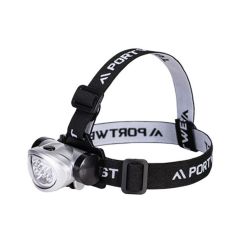
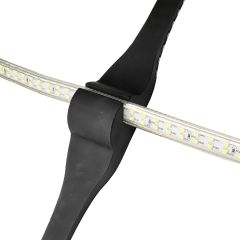

Quick answers to common questions about choosing, powering and installing temporary construction lighting.
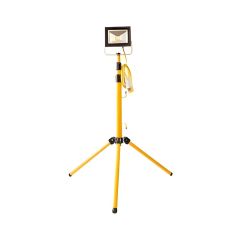
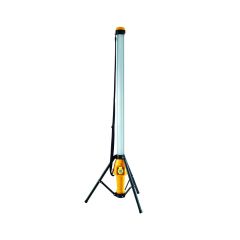
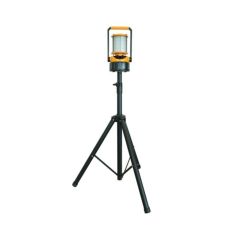
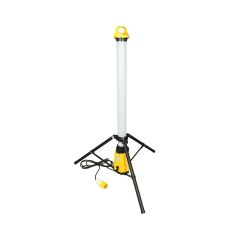
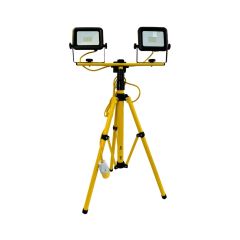
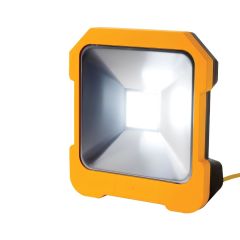
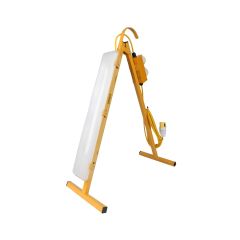
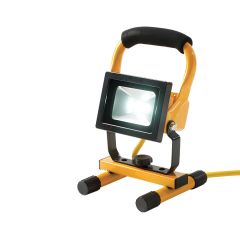
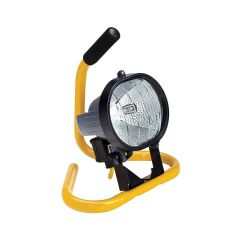
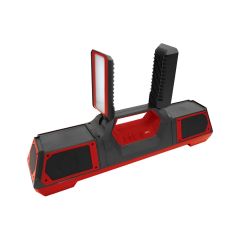
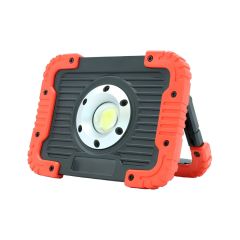
The right choice depends on the area and task. Portable and tripod work lights suit active work zones, festoon and strip lighting provide distributed illumination along routes and larger spaces, bulkhead and hoarding lights improve boundary visibility, and emergency lights provide backup when the normal supply fails. Compare coverage, power supply, mounting, IP rating and runtime before ordering.
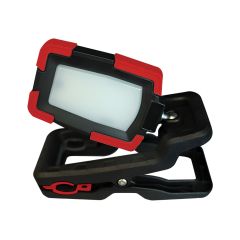
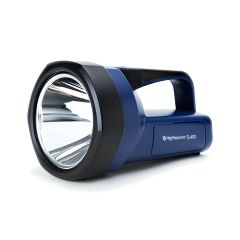
110V lighting is commonly used with compatible site transformers and connections where a continuous supply is available. Rechargeable lights are useful for mobile tasks, short-duration work and areas where trailing cables are impractical. Follow the site electrical plan and confirm voltage, plug type, charging method and expected runtime for each product.
Lumens describe the total light output, but the required lighting level also depends on beam angle, mounting height, spacing, surface conditions and the size of the area. Use product lumen figures to compare fittings, then check the project's required lux level and lighting layout for the task and location.
An IP rating describes protection against solid objects and water. In simple terms, IP44 products resist splashing, IP54 products add limited dust protection and resist water spray, and IP65 products are dust-tight and resist water jets. Always check the full product specification and installation guidance for the intended location.
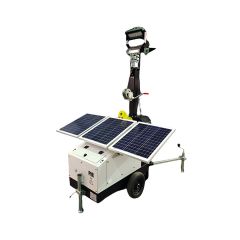
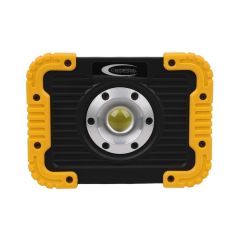
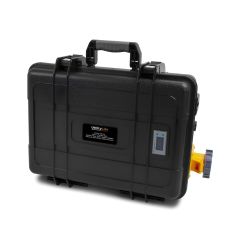
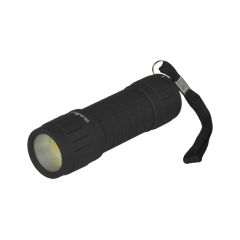
Runtime varies by battery size, brightness setting and product. In the CMT range, some compact lights run for around three hours at full output and much longer on lower settings, while specialist power packs and solar solutions are designed for extended operation. Check the runtime shown on the individual product page before ordering.
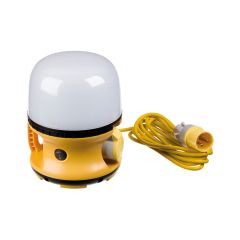
Selected products are linkable, but the number of units and total permitted load vary. Some task and globe lights include auxiliary sockets for linking compatible units. Confirm the product-specific limit, cable and connector type, total load and transformer capacity before building a lighting run.
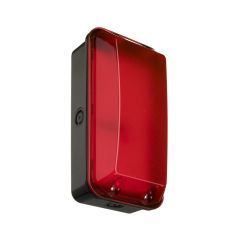
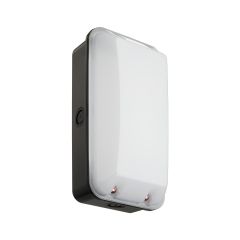
Purpose-built bulkhead, scaffold and hoarding lights are designed for fixed or semi-permanent visibility around boundaries and access routes. Compare IP and impact ratings, diffuser colour, dusk-to-dawn control, battery life, tamper resistance and the required mounting method.
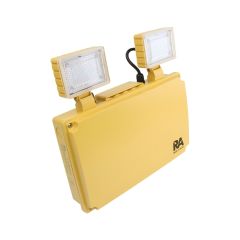
Emergency-lighting requirements depend on the site layout, risk assessment and applicable project rules. CMT offers non-maintained emergency fittings that activate when the normal mains supply fails. Confirm the required duration, coverage, test method and installation position with the responsible site or electrical team.
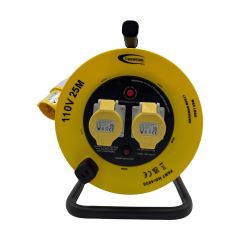
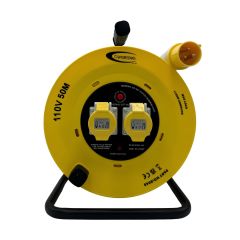
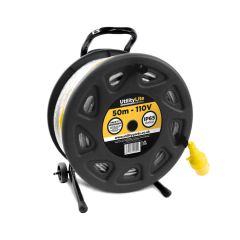
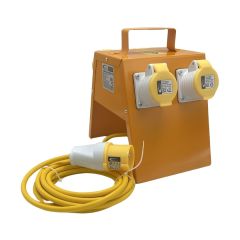
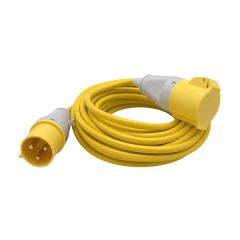
A complete setup may require a suitable transformer, cable reel or extension lead, splitter box, connectors and cable management. Match voltage, amperage, cable size, plug and socket type, IP rating and maximum load across the complete system. Use ramps, hooks or stands where needed to control trip risks and protect cables.
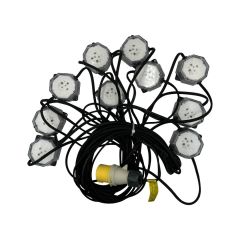
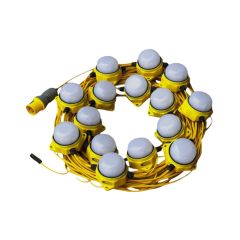
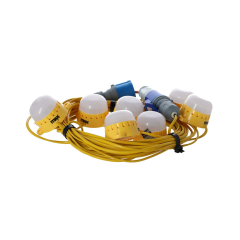
Festoon lighting uses individual lamp heads spaced along a cable and is well suited to corridors, stairwells and temporary access routes. LED strip lighting creates a more continuous line of ambient light along a wall, ceiling or barrier. Compare run length, spacing, mounting, linkability and IP rating for the intended route.
Need more detail before choosing? Use the specification guide to match lighting to the job, or explore the complete range guide for product types and key technical terms.
Compare task and area lighting, available power, exposure, mounting and emergency requirements, then plan the right lighting for each site zone.
Choose by application →Explore 110V and rechargeable work lights, festoon and strip lighting, torches, bulkheads, solar options and the key specifications used across the range.
Explore the range guide →